The audio and video are in Spanish. These notes are a translation.
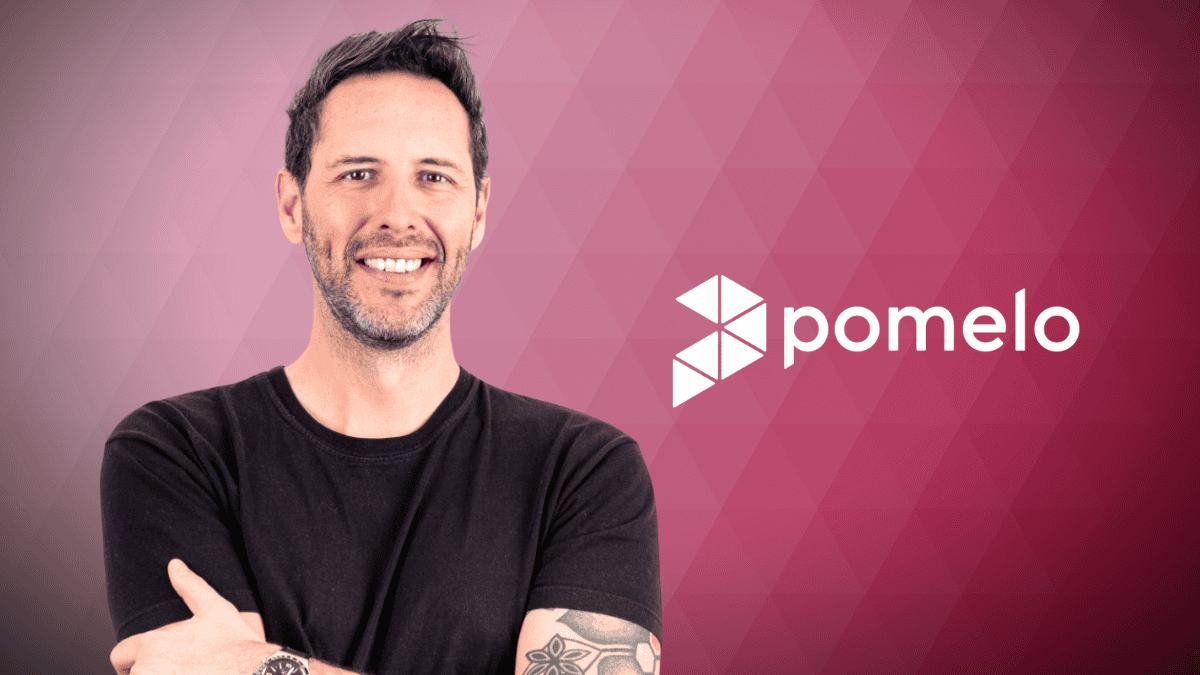
Today I spoke with Diego Burgos, CTO of Pomelo, a fintech focused on building card infrastructure for Latin America. In 2023, Pomelo processed more than $55M in daily transactions. It currently serves more than 100 banks and multinational companies. They have raised more than $100M, including a recent Series B of $40M, led by Kaszek and with the participation of investors such as Monashees, Index Ventures, and Insight Partners.
Youtube Timestamps*
[4:10] - Career in Technology
Diego, in his youth in Uruguay, was a yo-yo champion. A unique experience that may have influenced his skills as a CTO.
- What did Diego take away from that stage, and how has it made him a better technology leader?
Throughout his career, Diego has had very diverse professional experiences: from spending 7 years on the technology team at Petrobras, a state-owned company where the core is not technology, to working at marketing agencies and then entering the tech world at companies such as Naranja X and Mercado Libre.
- In which of these experiences does Diego feel he grew the most as a professional? Based on that, what advice would he give other developers or software engineers on how to plan their careers?
In 2015, Diego met Dani Rabinovich, CTO of Mercado Libre, who was an inspiration for him and led him to seek to join the company.
- What were some of the most valuable lessons Diego took from working with Dani Rabinovich?
[8:45] - CTO Philosophy
Diego has mentioned that many CTOs do not understand business terms such as EBITDA and TAM, which makes it harder for them to communicate with other C-level leaders, such as the COO and CFO.
- What characteristics make a world-class CTO according to Diego, and how do these skills influence what he himself seeks to develop? In which areas does Diego believe technology leaders should work more?
For Diego, a startup’s CTO must not only be technical, but also a leader who understands product, the business, and how to align everything with the company’s vision.
- How does Diego get his entire technology team to have a command of the business, and for that to have a positive impact on the company?
In the startup world, people talk about Y Combinator’s famous principle of building things that don’t scale. By contrast, at Pomelo, Diego and his team decided from day 0 to make everything absolutely scalable.
- Why did they make that decision, and how has it affected Diego’s role as CTO?
Diego describes his working methodology in three phases: strategy, planning, and execution, with three steps inside planning: tech docs, roadmap, and milestones.
- How does this methodology work, and how does it help avoid building technology for its own sake?
[29:21] - Technology Teams
At Pomelo, more than 50% of the team comes directly or indirectly from Mercado Libre.
- What were the key ingredients that made it possible to attract so much talent in the early stage?
Pomelo has been one of the hottest startups in the region since the beginning, thanks to its founders’ track record and its ability to attract investors and funding rounds.
- For founders or CTOs who do not have that track record, what advice would Diego give them on how to attract high-caliber talent?
In a market of high demand and scarce talent, many developers are tempted to change jobs for better offers.
- How does Diego identify developers committed to Pomelo’s long-term vision versus those looking for short-term opportunities?
Tell us more about Diego’s hiring process at Pomelo:
- How is it structured?
- What questions and tests are used?
- What are they looking to reveal in the candidates?
[42:18] - Artificial Intelligence
Diego has worked intensively with artificial intelligence over the last two years, finding value in multiple areas.
- What have been his main lessons and most surprising findings in this field?
With the rapid evolution of AI tools, it is easy to feel overwhelmed by the number of options.
- What framework or strategy does Diego use to identify and prioritize artificial intelligence opportunities at Pomelo?
- How can other companies, regardless of their size or sector, start implementing AI?
Diego has also highlighted the importance of non-technical people being able to use these tools and databases to take advantage of AI’s potential.
- How has Diego made AI a tool accessible to the whole team, and not only to the technology department?
With the constant evolution of artificial intelligence, Diego reflects on the future of the CTO role.
- Which skills that are essential for a CTO today will change in the coming years, according to Diego?
Episode Mentions
You can find Diego on LinkedIn
Discover More from the Startupeable Podcast
Listen to every episode at startupeable.com/podcast.
Subscribe to the newsletter to hear when a new one comes out.
Follow Enzo Cavalie on X: @enzocavalie.