The audio and video are in Spanish. These notes are a translation.
You can be the best at programming or at growth, but without building a good technology team it will be very hard for you to scale.
Would you like to know how one of Mexico’s unicorn startups does it?
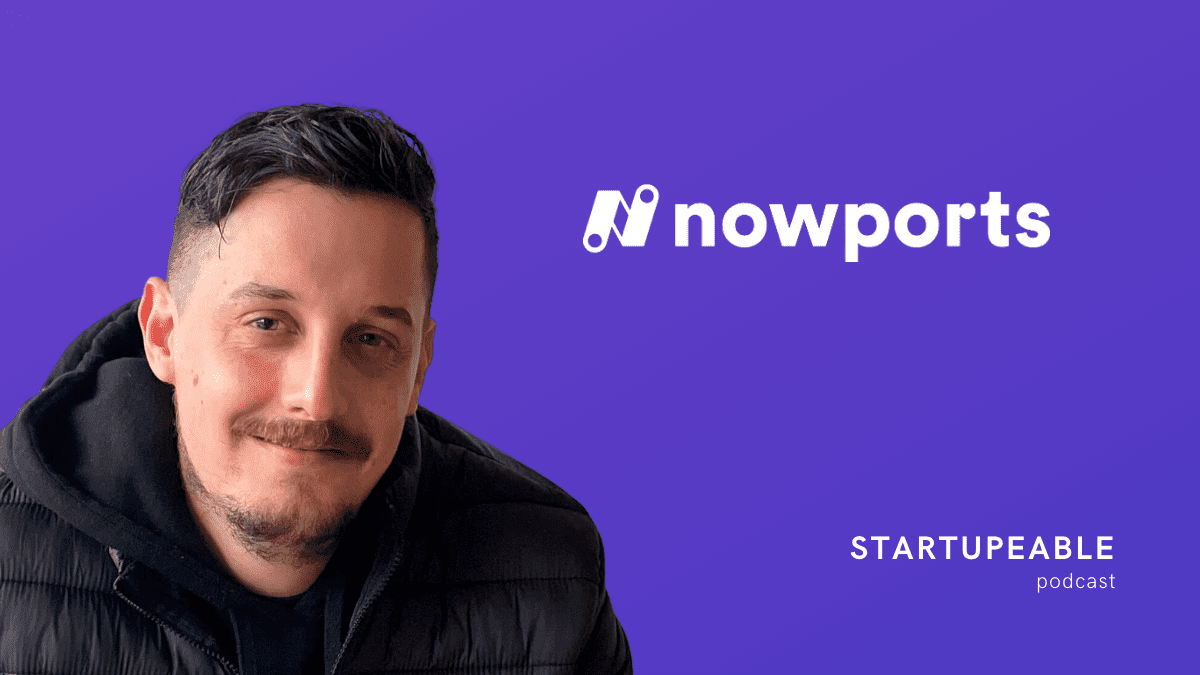
We spoke with Santiago García da Rosa, who leads a team of more than 100 technology and product people as CTO of Nowports, the largest digital freight forwarder in Latin America. Before Nowports, he founded and sold his startup called Piio.
We talked about the responsibilities and challenges of a CTO at different stages of a company, and what the step-by-step process is for attracting and retaining a world-class technology team.
Youtube Timestamps*
[1:20] - The CTO Role
-
How did Santiago arrive at the fascinating world of startups?
-
What are the first key tasks a CTO who has just joined a startup should do?
-
Santiago joined Nowports when they raised their seed round. What were his main responsibilities as CTO, and how have they evolved as you move from a seed stage to scaling?
-
What common mistakes does Santiago see in the execution of the CTO role?
-
What is hardest about moving from an individual contributor role to a leadership role as CTO, and what lessons has Santiago learned that make that transition easier?
-
The seed round of Santiago’s previous startup (Piio) was USD $700 thousand; Nowports’ was USD $8.5 million. What were the biggest lessons from leading the technology team at Piio? How has that shaped his mindset and way of working?
-
At Nowports, the company’s two cofounders are engineers. At Piio, not all of his partners were technical. What has Santiago learned about communication between the CTO and the rest of the leaders?
-
What communication tips would Santiago give a CEO to improve their communication with their CTO?
[19:43] - Building a Tech Team
-
How does Santiago structure the hiring process for new developers?
-
Who should be involved in hiring, and how do the CEO and the COO contribute to this process?
-
What traits does Santiago look for in a team’s first developers? And what are the key questions that reveal them?
-
How does Santiago assess whether a person is a Generalist or a Specialist, and which tests are the right ones to determine it?
-
What does an ideal onboarding process for new developers look like, according to Santiago?
-
How should founders prepare for the onboarding of their first developers? What materials should they have ready?
-
What are some of the first signs that a new developer is not working out? How does Santiago measure their impact?
-
Today, the best developers have multiple job offers. What is Santiago’s pitch to convince a developer to join his team and keep them there? And how has this pitch evolved as Nowports scales?
-
What is Santiago’s point of view on the work style of some startups that tend to demand a lot from their team, and for a long time?
-
What advice would Santiago give an engineer or programmer who is just starting their career, and how is that reflected in the career plan for Nowports’ technology team?
[50:14] - Rapid-Fire Questions
-
If he had to start a company from scratch, what is the main piece of advice Santiago would give himself?
-
What has been the most influential book on Santiago’s path through the world of startups?
-
Changes Santiago would like to see in Latin America’s startup ecosystem
Episode Mentions
You can find Santiago on LinkedIn
Recommended books: The Lean Product Playbook by Dan Olsen
Discover More from the Startupeable Podcast
Listen to every episode at startupeable.com/podcast.
Subscribe to the newsletter to hear when a new one comes out.
Follow Enzo Cavalie on X: @enzocavalie.