The audio and video are in Spanish. These notes are a translation.
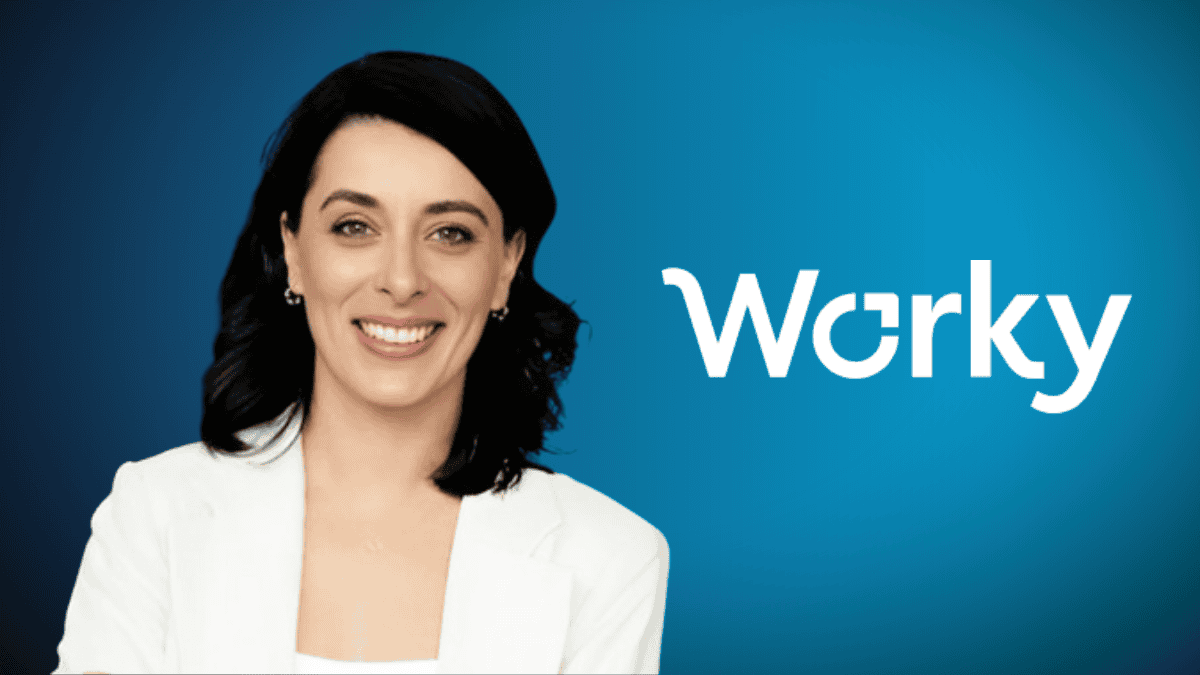
Today I spoke with Maya Dadoo, cofounder and CEO of Worky, a human resources (HR) and payroll management software. In 2023, Worky processed more than 500M MXN in payroll. Today, they serve more than 500 Mexican companies and have raised a total of $9M, including their recent Series A of $6M led by Atlantico and ADP Ventures.
Youtube Timestamps*
[4:38] - HR Tech in Latin America
HR tech is a sector where many startups in Mexico and Latin America raised capital, but several shut down and few have reached significant scale as a business, with exceptions such as Gupy in Brazil.
- How does Maya analyze the HR tech sector? Why does she believe human resources has been a difficult market for startup innovation in the region?
Maya has mentioned that many startups have focused on needs such as recruiting, culture, and performance evaluation, but these areas are still very early for the Mexican market.
- Why does Maya consider these solutions to be ahead of their time? When does she believe the timing will be right?
Investors in Latin America and the U.S. often point out that human resources departments are bad customers because they are not very digital and are not very connected to the business.
- How fair is this perception, according to Maya’s experience selling to HR departments? How does it vary depending on the size of the company?
[18:01] - Product
Worky’s initial vision was an all-in-one HR software. Maya mentioned that this product had false signals of “product market fit,” landing contracts with small companies, but not with large ones.
- What does it mean to Maya to have had false signals of PMF? What were the most important lessons from that stage for other founders?
Worky’s current vision is to be an HR command center.
- What did Maya find in the market that led her to evolve toward this new vision?
In B2B software, there is often a debate about prioritizing the user versus the buyer. Maya said: “Don’t build so much for the employee, build more for the boss, the decision maker, and the operators: they are the ones who buy from you.”
- What balance has Maya found between building for the end user versus the buyer at Worky?
Worky went from focusing on small companies and corporates to mid-sized companies.
- Why did Maya make this strategy change? What are the advantages and disadvantages between these segments for selling software?
Maya mentioned that the outsourcing reform in Mexico was a “game changer” for Worky.
- Why is Worky better positioned than legacy HR solutions to take advantage of this regulatory change?
[32:05] - Efficient Growth
In 2023, Worky faced operational challenges, with little cash, staff cuts, and aggressive product bets. Despite this, the business kept growing and they closed a new funding round.
- What were Maya’s key decisions that had the greatest impact on turning the business around?
Maya described this stage as a “rebirth” as a founder.
- What were the most significant changes in how she led and operated Worky?
In 2021, Worky introduced a 4-day workweek for its product and technology team.
- How does Maya evaluate this decision looking back?
- How does Maya communicate an important change of direction to her team, especially in difficult moments with cuts and less cash available?
In 2021 and 2022, many startups invested millions in digital advertising, taking advantage of low interest rates.
- How has Maya’s bar of expectations for her customer acquisition strategy and team changed compared with 2021 or 2022?
Episode Mentions
You can find Maya on LinkedIn
Discover More from the Startupeable Podcast
Listen to every episode at startupeable.com/podcast.
Subscribe to the newsletter to hear when a new one comes out.
Follow Enzo Cavalie on X: @enzocavalie.