The audio and video are in Spanish. These notes are a translation.
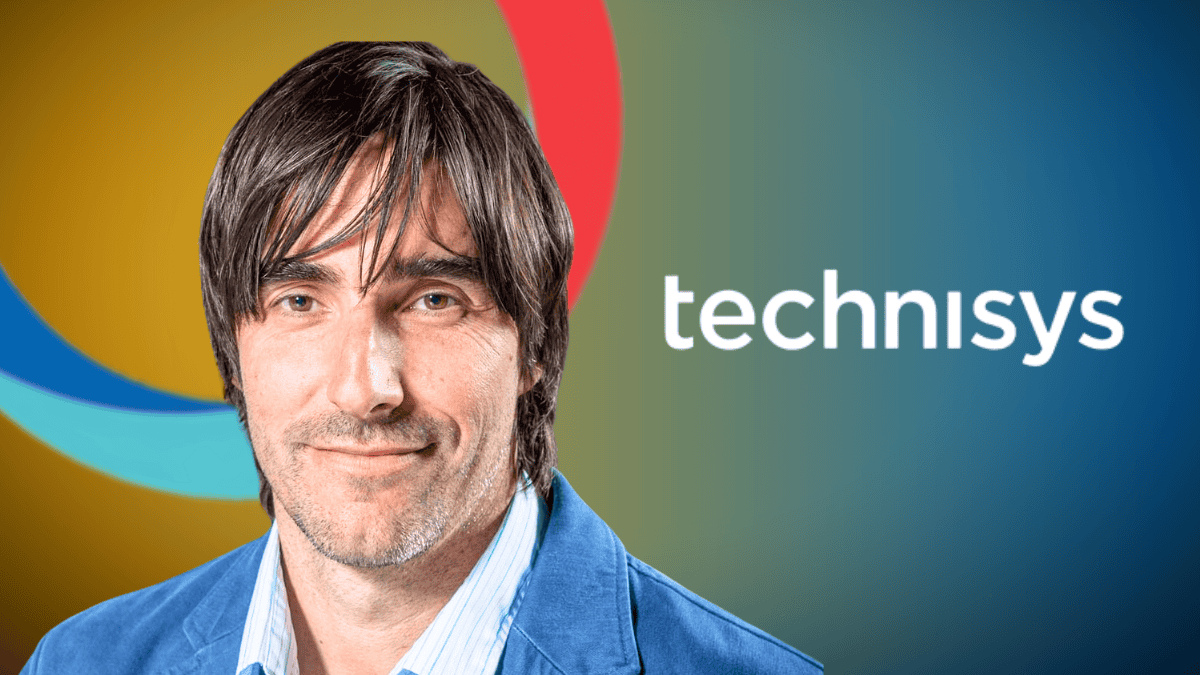
Today I spoke with Miguel Santos, founder and former CEO of Technisys, the company that since the 90s has specialized in digital banking infrastructure. In 2022, Technisys was acquired by SoFi for $1,100M, which drove its merger with Galileo Financial Technologies, where Miguel is currently Chief Strategy Officer. This SoFi business unit generated more than $315 million in revenue that year.
Youtube Timestamps*
[1:29] - History
Miguel and his team started in 1995 and bootstrapped until 2010. In difficult moments, they turned to personal loans to cover the company’s shortfalls, which was exhausting and sometimes frustrating.
- How did they manage to hold on for so many years? What gave them the energy to keep going?
- Is there any practice that allowed Miguel and his team to maintain such a lasting relationship?
Miguel’s vision for the digitization of the financial sector anticipated demand by several years, taking an early position in digital banking not only in Latin America but around the world.
- How did Miguel manage to build his company to reflect his vision for the digitization of financial services while educating his customers so they would move forward with their modernization? What happens when someone “gets ahead” of demand?
The “first mover advantage” is usually an advantage, but years of being early can be costly and exhausting.
In Miguel’s case, it was only in 2010 that they saw the business could be something big, after 10 to 15 years of a market that moved slowly.
- Looking back, how does Miguel evaluate those years? How advantageous was it to arrive at the market so far in advance?
- What elements would Miguel consider to determine whether a founder is at the right moment? What would he advise them if they were very early?
[5:48 ] - Growth Trajectory and Lessons
Miguel and his team bootstrapped for almost 10 years, and he mentioned that “I don’t know if I would do it again, not so much. We lost a bit of time.”
- How does Miguel think about the advantages and disadvantages of bootstrapping versus raising capital? And what does he mean when he says he feels they “lost time”?
When you go from being a bootstrapped company to raising capital, growth expectations change because a vision and a set of projections have been sold to investors.
- How did Miguel think about how much profitability he was willing to sacrifice in exchange for growth?
It is often recommended to dominate one country before expanding. However, Miguel and his team internationalized early, expanding from Argentina to Latin America and then to the U.S. and Europe.
- When does Miguel believe is the right moment to internationalize? Any recommendation on how to build a global business for founders in LatAm?
Technisys launched three products, something rare among startups, since innovating inside a company that already has a business that works is hard.
- What ingredients does Miguel consider necessary to keep that innovative spirit beyond the first product and execute it successfully?
On product decisions, Miguel commented that “you should not be overly romantic about focus when you have to survive. The venture capital game is one thing and the company’s game is another.”
- Could Miguel explain this idea and how it influenced his decisions about which products to launch, when to launch them, and how to prioritize?
[46:57]- the Future of Banking
Pedro Arnt, of dLocal, mentioned that for 20 years, tech and product were differentiators in fintech, but that today the incumbents have matched these capabilities.
- Does Miguel agree with this thesis? Where does he believe the next wave of great fintechs will come from?
A large part of technological innovation has been focused on digitizing the distribution channel, such as bank branches. Now, more retailers and big tech are entering fintech.
- Does Miguel believe in the vision that “every company will be a fintech”?
- What do we need in order to increase competitiveness in financial services and, therefore, improve access and reduce the cost of financial services in the region?
Episode Mentions
You can find Miguel on LinkedIn
Discover More from the Startupeable Podcast
Listen to every episode at startupeable.com/podcast.
Subscribe to the newsletter to hear when a new one comes out.
Follow Enzo Cavalie on X: @enzocavalie.