The audio and video are in Spanish. These notes are a translation.
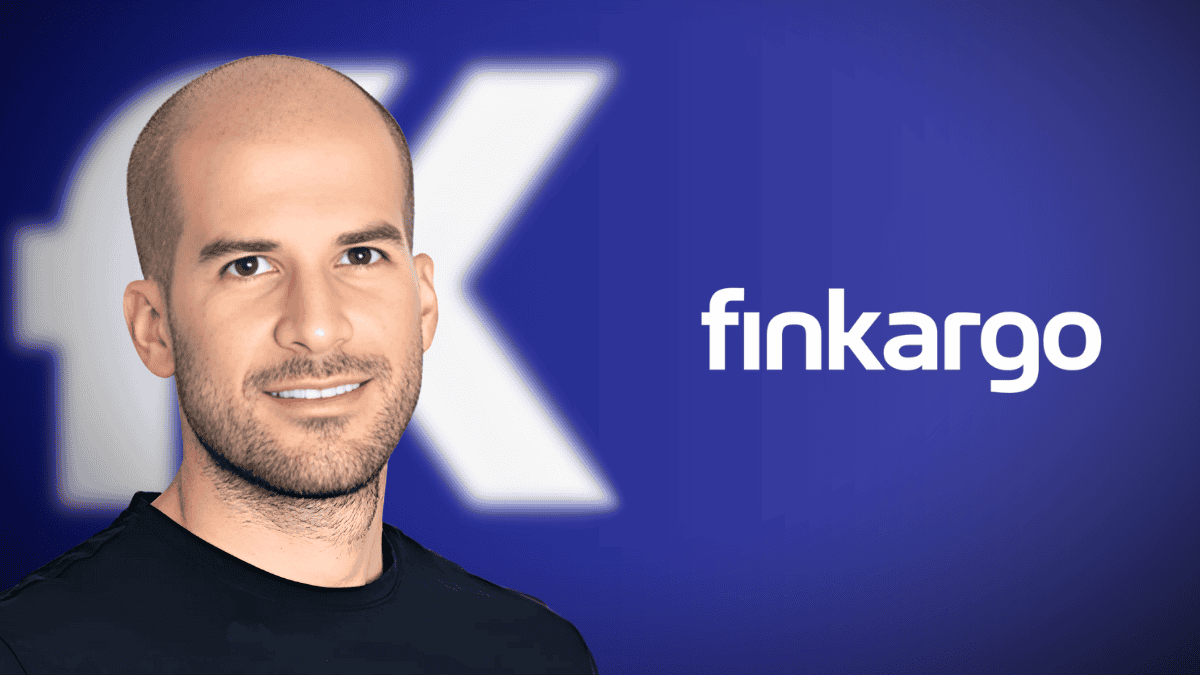
Today I spoke with Santiago Molina, CEO of Finkargo, which finances Latin American foreign-trade SMEs and already has more than 500 clients. In this episode we talk about why companies in the region find it so hard to compete globally, why extending credit is harder than developing technology, and how to sell to SMEs in a sector as traditional as international trade.
Youtube Timestamps*
[1:41]- Entrepreneurial Origins
Santiago’s first job was as coach of the women’s soccer team at his university in the United States.
- How did this experience shape his character and his skills as an entrepreneur?
Before Finkargo, he led two traditional businesses: a microfinance company and a fertilizer company.
- What were the biggest challenges of the transition from traditional businesses to technology?
- What differences does he see between traditional entrepreneurs and tech entrepreneurs, and what can each learn from the other?
[14:57] - Foreign Trade
Latin America represents only between 5 and 6% of world exports, a figure that has been stagnant since 1970.
- Why do Latin American companies face so many difficulties competing globally?
- What structural limitations hold back their growth?
Access to capital is a critical issue that directly affects the competitiveness and growth of companies.
- How does the lack of access to credit affect the growth of small companies?
- How does their outlook change when they receive financing through Finkargo?
Santiago mentions that extending credit is harder than developing technology.
- What specific challenges does extending credit to foreign-trade companies involve?
- What measures have they implemented to overcome these challenges?
[28:21] - Product Philosophy
Finkargo started by solving problems manually before becoming a technology company.
- What did Finkargo’s initial product look like, and what criteria did they use to scale technologically?
Santiago observes that the low cost of labor in the region changes technology priorities.
- How did this reality influence Finkargo’s strategic decisions when developing its technology?
A frequent challenge was closing the gap in understanding between U.S. investors and the Latin American reality.
- What key differences did Santiago detect in the way American funds see Latin America’s problems?
- How did he manage to align both perspectives in order to secure investment?
[46:47] - Selling to SMEs
Access to capital is fundamental for SMEs to move from solving basic problems to growing.
- How is this idea reflected in Finkargo’s vision and strategy?
With more than 500 clients, SMEs are a complex segment that fits neither as consumers nor as traditional corporates.
- What internal tool did Finkargo develop to scale its commercial efforts?
- What has Santiago learned about how to sell to SMEs in a traditional sector such as international trade?
Episode Mentions
You can find Santiago on LinkedIn
Discover More from the Startupeable Podcast
Listen to every episode at startupeable.com/podcast.
Subscribe to the newsletter to hear when a new one comes out.
Follow Enzo Cavalie on X: @enzocavalie.