The audio and video are in Spanish. These notes are a translation.
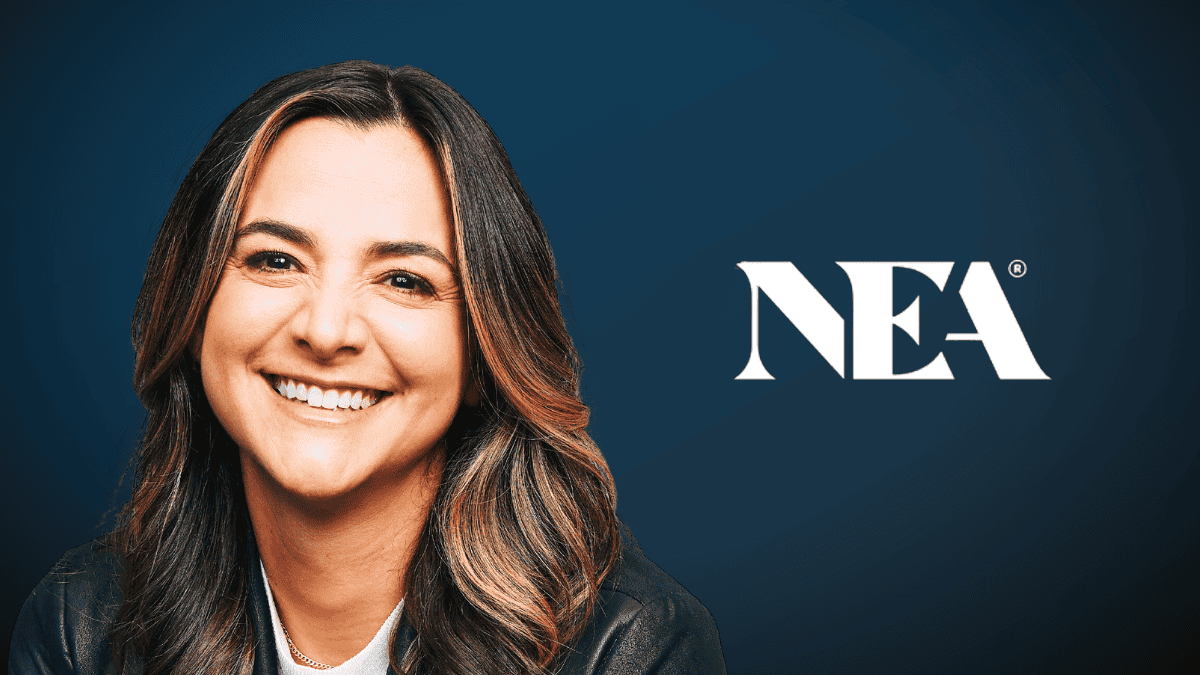
Today I spoke with Vanessa Larco, a partner at NEA, one of the most influential venture capital firms in the world, with more than $25 billion invested. NEA has backed technology giants such as Databricks, Robinhood, MongoDB, and Perplexity. Vanessa has also led investments in startups such as Rewind AI, Kindred, and the Brazilian Rocket.Chat. In addition, she was a member of Robinhood’s board until it went public in 2021. Before joining NEA, Vanessa led product teams at leading companies such as Box, Twilio, Disney, and Xbox.
Youtube Timestamps*
[3:12] - Product Management
Vanessa started her career doing product management for video games at Microsoft, Playdom, and then Funloop, her own startup.
- What lessons did Vanessa take away as a product manager in video games that can be useful for more traditional B2C or B2B businesses?
- How has Vanessa seen the product management role evolve in Silicon Valley, and how does it vary in Consumer versus Enterprise businesses?
At Box, Vanessa brought her own consumer product DNA to Enterprise, with things like AB testing, user testing, data, etc.
- What does this imply, when is it advisable for a B2B startup, and what is needed to implement it?
In Enterprise, the value for the end user is not always aligned with the value for the buyer. Sometimes, they can even be in conflict.
- What implications do these seemingly opposing incentives have for a B2B company’s product decisions?
- What is the framework Vanessa has developed to decide when to prioritize the end user and when to prioritize the buyer?
There is this concept of product velocity, and it is said that the best startups build product very fast.
- In her experience, how does Vanessa know whether they are moving fast or whether they are moving as fast as they could? How does she measure that speed? And how can she increase it?
- What does Vanessa think of investors who give product advice to founders? What should founders look for?
Usually, the advice is: ‘Do not worry about the competition, just focus on the customer, everything will be fine’.
- What does Vanessa do with this ingredient in mind? How does that affect the way she builds the product or the strategy? Is there anything she can share that someone might be able to use tactically in how they are approaching their product strategy?
[40:35] - SaaS Business Model
In recent years, there have been companies with a lot of growth, but with high costs to fund sales. Salespeople focus very myopically on revenue without thinking about the underlying profitability of the business.
- What has Vanessa learned here? What is common among sales organizations that fail, and what is common among the best ones she has seen?
The SaaS business model is based on seat expansion, but if you are making people more efficient, you should need fewer seats.
- How does Vanessa think the SaaS business model is going to evolve?
Vanessa mentioned an interesting idea: pricing and packaging can be a source of defensibility.
- Could Vanessa explain this idea and give some examples?
[47:50]- Artificial Intelligence
Vanessa mentioned: “Something surprising: how incumbents have advanced since the arrival of AI. Unlike what happened with mobile or the cloud, you do not have to rebuild everything from scratch to adopt this new platform, only integrate these APIs. Companies that create new categories have an opportunity.”
- In that context, what is Vanessa’s thesis for investing in artificial intelligence?
Episode Mentions
You can find Vanessa on Twitter and LinkedIn
Discover More from the Startupeable Podcast
Listen to every episode at startupeable.com/podcast.
Subscribe to the newsletter to hear when a new one comes out.
Follow Enzo Cavalie on X: @enzocavalie.