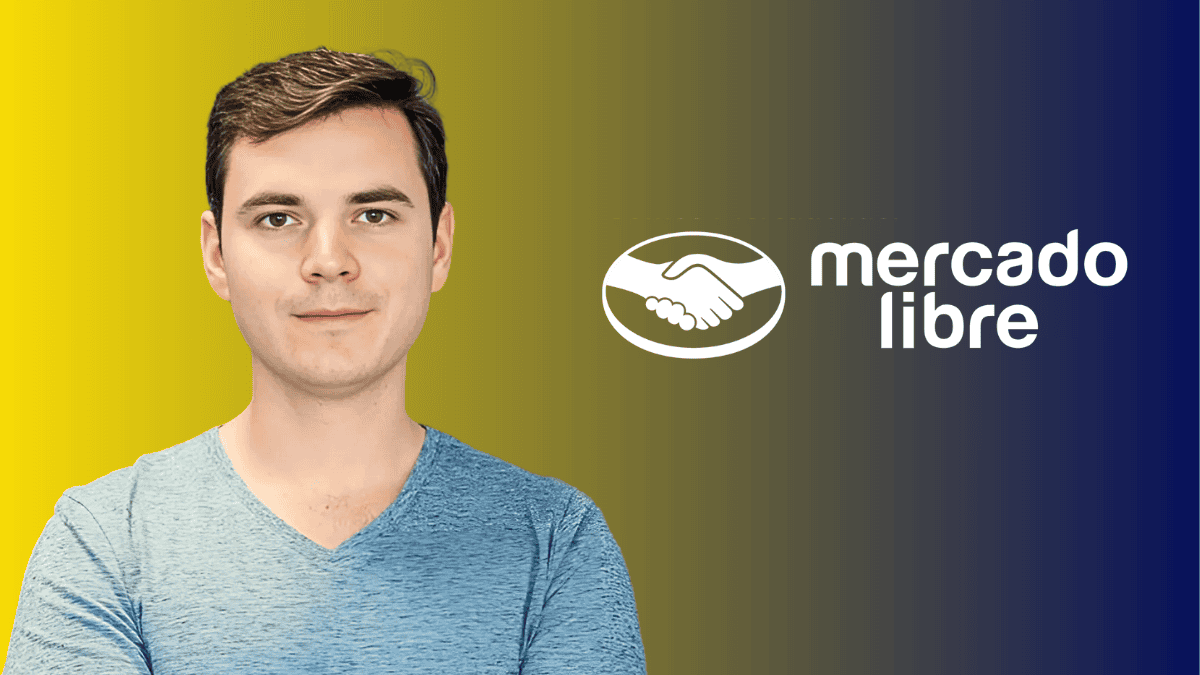
The audio and video are in Spanish. These notes are a translation.
1:22 - Starting a Company as a Teenager and the Origin of Yaxi
From a young age, Sebas built electrical circuits and developed apps out of curiosity.
- What was his education like and how did it influence his interest in technology?
- What did he learn from launching his first app with no expectations and seeing it scale to 13 countries?
- Why did he decide to found a ride-hailing company before Uber arrived in Mexico?
He learned to code with free online resources and formed a team with friends.
- How did they create an MVP without drivers and scale the operation with a call center?
- How did they convince traditional drivers to try an app from scratch?
12:02 - From Startup to CTO of Cabify and Then to MELI
Yaxi surpassed Cabify in rides in Mexico with only 6 people in operations.
- What decisions made it possible to operate with extreme efficiency?
- How did they automate penalties, payments, and invoicing from day one?
- What did he learn from being acquired by Cabify and leading its technology for 4 years?
At Mercado Libre, he leads 15,000 developers while maintaining speed and a startup culture.
- What stereotypes about technology corporations were broken when he joined MELI?
- How is the culture of speed, detail, and risk maintained in such a large company?
24:00 - Artificial Intelligence: Philosophy, Practice, and Real Cases
Mercado Libre has used AI for more than 15 years for search, fraud, and logistics.
- What changes did the era of generative models such as LLMs bring?
- Which current use cases are already generating real value?
They created Verdi, their own platform for producing AI solutions.
- Why did they decide to build instead of buying tools such as LangChain?
- Which cases are built on Verdi inside MELI today?
Sebas believes there is still no “killer use case” for GenAI in production at large scale.
- What limitations exist today in accuracy, cost, and reliability?
- How do they define at MELI what to build with AI and what not to?
38:15 - The Future: One-Person Companies and Experiences Without an Interface
Sebas predicts that we will see unicorn companies created by a single person with AI.
- How does he believe AI will change the way digital products are built?
- What role does access to organized data play as a competitive advantage?
For him, the best interface is the one that does not exist: the goal is to reduce friction.
- How does he imagine online shopping in 10 years with augmented reality and intelligent agents?
- How does this relate to the mission of giving people more quality time?
Episode Mentions
You can find Sebastián on LinkedIn Discover More from the Startupeable Podcast
Listen to every episode at startupeable.com/podcast.
Subscribe to the newsletter to hear when a new one comes out.
Follow Enzo Cavalie on X: @enzocavalie.