The audio and video are in Spanish. These notes are a translation.
Creating a startup is very hard. Creating a startup inside another startup is, too.
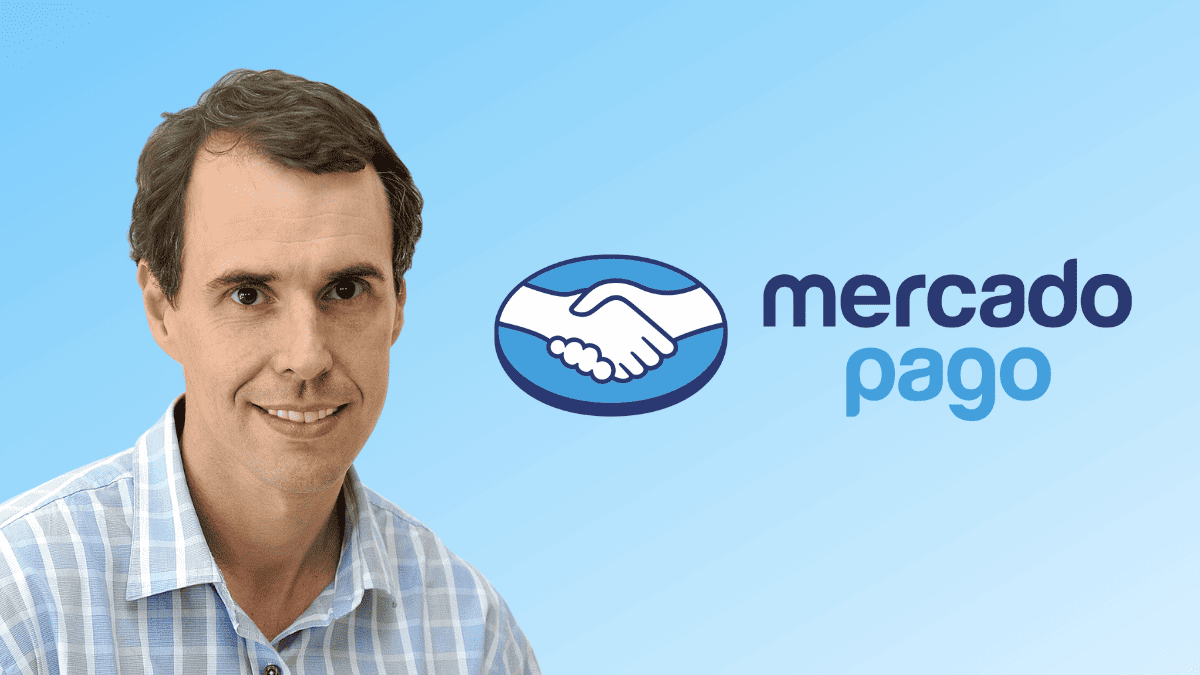
Today I spoke with Osvaldo Giménez, President of Mercado Pago.
Osvaldo started his career at Mercado Libre more than 20 years ago as Country Manager in Argentina and, in 2004, was given the assignment by Marcos Galperin, the founder of Mercado Libre, to lead a new project: Mercado Pago.
Today, Mercado Pago is the largest fintech in Latin America and the main growth engine of Mercado Libre’s business.
We talked about the ingredients you need, such as team, incentives, and strategy, to found a startup inside another company whose business is going well. We also talked about how Mercado Libre has managed to keep its innovative spirit despite its size and compete with so many well-funded new startups.
Youtube Timestamps*
[1:40] - Intro to Fintech
-
How did Osvaldo arrive at the fascinating world of startups?
-
After 20 years in fintech, if Osvaldo had to prepare a slide charting the timeline of fintech in Latin America over the last 20 years, what would he say were the main trends and the main achievements?
-
To close the remaining gaps in financial inclusion, do we have to keep executing the strategy that brought us to today, or how does the approach of fintech products have to change? Which will be the enabling technologies or trends that will allow us to?
-
Over the last 3 to 5 years we have seen banks investing resources to become more agile and innovate from within. Yape in Peru and Nequi in Colombia are success stories. When Osvaldo thinks about Mercado Pago’s potential competitors, which incumbents does he see as best positioned to play a relevant role in the next 10 years of fintech in Latin America?
[19:38] - The Start of Mercado Pago
-
On the origin of Mercado Pago. Whose idea was it? What was the opportunity they identified? And where did Marcos’s conviction come from to reassign the Country Manager of his main market to a completely new business?
-
Innovating inside a startup when there is already a business that is doing well and growing quickly is very hard. What ingredients do you need to successfully found a startup like Mercado Pago inside another company like Mercado Libre?
-
It is quite hard to replicate the “startup-like” culture and mindset that gives rise to a company inside a new product. What do you need in terms of team to replicate that startup environment?
-
In a past interview, Osvaldo mentioned that when Marcos proposed he lead Mercado Pago, they had already beaten DeRemate. Was that timing a coincidence or deliberate?
-
How does he think about the right moment for a startup to try to launch a new business?
-
First, they launched the payment gateway to serve their own e-commerce business. Today, they have multiple payments products, one for investment, and one for credit. What was the strategy behind moving from payments into other businesses?
-
What is the exact process by which Osvaldo makes decisions about which product and business to do next?
[36:00] - The Innovator’s Dilemma
-
From the outside, they sound like they have “many” products, almost like one of the super apps in Asia. When Mercado Pago started, there was almost no competition. Today, fintech is the hottest sector in which to start a company. What advantages and disadvantages would Osvaldo say Mercado Pago has as a horizontal player versus fintechs specialized in verticals such as payments, savings accounts, loans, and so on?
-
A fintech investor, Alex Rampell, has a well-known line: “the battle between startups and incumbents comes down to whether the startup gets distribution before the incumbent gets innovation.” How has Mercado Libre managed to keep that innovative spirit despite its size?
-
There is something about MeLi that is not replicable: when they started, founding a company or working at a startup was not sexy, there was no capital, and there were no success stories. How do you think the negative context played in MeLi’s favor, and what do you think is the right mindset for headwinds?
-
Osvaldo describes how Mercado Pago emerged during a major platform shift, the transition from the computer to the mobile phone. Do you see artificial intelligence as a similar paradigm shift for digital businesses? What changes does AI make possible today that were not possible before?
[51:54] - Rapid-Fire Questions
-
If he had to start a company from scratch, what is the main piece of advice Osvaldo would give himself?
-
How are Osvaldo and his team preparing to adopt artificial intelligence?
-
Changes Osvaldo would like to see in Latin America’s startup ecosystem
Episode Mentions
You can find Osvaldo on LinkedIn
Discover More from the Startupeable Podcast
Listen to every episode at startupeable.com/podcast.
Subscribe to the newsletter to hear when a new one comes out.
Follow Enzo Cavalie on X: @enzocavalie.