The audio and video are in Spanish. These notes are a translation.
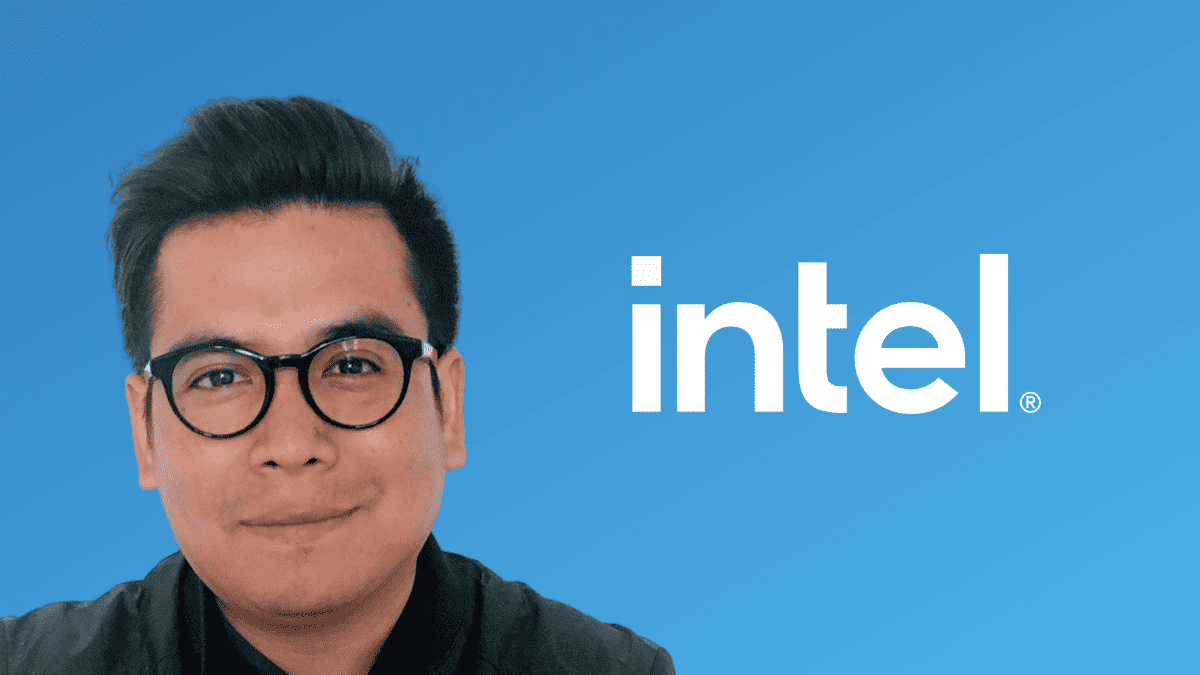
I invited Omar Florez, a machine learning research scientist and a PhD in Computer Science.
Omar has worked for more than 10 years in Silicon Valley on artificial intelligence, inside companies such as Intel, Twitter, and the American bank Capital One.
In recent months, we have seen an explosion of AI. Literally, if you lift a rock, you see AI tools for writing copy, learning languages, serving customers, and so on.
But are these startups really innovative and differentiated, or are they just a thin application built on top of ChatGPT?
I leave you with this great conversation about artificial intelligence.
Youtube Timestamps*
[1:25] - Intro
- How did Omar get into the fascinating world of artificial intelligence?
Omar worked for large companies such as Twitter, Intel, and the American bank Capital One.
- What were the most important lessons he took away from each of these companies?
He has lived in Silicon Valley for more than 10 years, doing artificial intelligence research and applying this technology:
- To what extent is what is happening today in Silicon Valley a “hype cycle” pushed by investors, versus a cycle driven by significant new advances in artificial intelligence?
[7:08] - How Companies in Silicon Valley Use AI
There have been enormous funding rounds to finance artificial intelligence startups. Some in the tens, or even hundreds, of millions of dollars.
-
Do you really need that much capital to build and train models? Or is it more a consequence of investor demand? What makes it more expensive to build AI companies versus other technologies?
-
What is a GPU?
-
Are companies such as Stability and Midjourney spending at the scale of OpenAI?
Over the last 2 years, we have seen a decentralization of the technology and startup industry toward cities and countries outside Silicon Valley, including Latin America. But in the field of AI, Silicon Valley still seems to dominate.
-
Omar told us whether he believes Silicon Valley will continue to be the epicenter of the next generation of major innovations in artificial intelligence, or whether we will see companies emerging globally.
-
Do we have to move to Silicon Valley to start a company or to work in AI?
-
Omar explained in broad strokes how a social network such as Twitter, Facebook, or TikTok uses artificial intelligence.
Something unique about big tech companies such as Twitter and Intel is that they have the talent and the resources to build their own models. That is not true for the vast majority of corporations and large companies.
- How does he imagine the adoption of artificial intelligence models will look for large companies that have neither the technological capacity nor the resources?
Large companies are blocking employees from using ChatGPT so that OpenAI cannot train its models on their data.
- How does he think closed models such as OpenAI will play out versus open source models?
Open source models are not as easy to access. ChatGPT, by contrast, has a simple user experience with no need for code.
-
How does he think this will affect adoption by traditional companies that do not have the technological capacity?
-
What role does security play with respect to data, on the side of large companies that do not give up their data so easily?
-
How much of an advantage is it to have proprietary data, for example a large company with decades of customer data such as a bank, compared with a new company such as a fintech without proprietary data, and how does he think that will evolve over time?
A lot of data, like ChatGPT’s, is a very good model at a horizontal level for multiple use cases.
- Could a startup or a small company that trains an open source model on a smaller database, specific to a much more specialized industry, have an advantage over another model such as ChatGPT?
Just by going on Twitter or LinkedIn, you can find lists of hundreds of new startups that are a thin application layer on top of existing models such as those from OpenAI, for taking notes, studying, translation, learning languages, and so on.
- What will happen to all these new companies that have neither their own model nor proprietary data?
[39:57] - Impact and Opportunities of AI
- How does he read the petition from leading technology leaders to pause the development of artificial intelligence for 6 months?
A few years ago, he took part in designing the National AI Strategy of the government of Peru.
- What will happen to developing countries that depend so heavily on outsourcing, such as contact centers and freelancers in Latin America?
There is an endless number of videos on YouTube about how to make money easily and quickly with artificial intelligence and ChatGPT, which make more money from the advertising on their YouTube videos than from ChatGPT.
- What advice and resources would he recommend to young people interested in getting into artificial intelligence?
When Omar started in AI, he created an English-to-Spanish AI dictionary to help himself because he did not know English. Interestingly, at Twitter, he ended up working with multilingual language models.
- In the near future, will it be necessary to learn languages such as English? Especially for work reasons, such as writing and speaking on video calls.
Episode Mentions
You can find Omar on LinkedIn
Discover More from the Startupeable Podcast
Listen to every episode at startupeable.com/podcast.
Subscribe to the newsletter to hear when a new one comes out.
Follow Enzo Cavalie on X: @enzocavalie.