The audio and video are in Spanish. These notes are a translation.
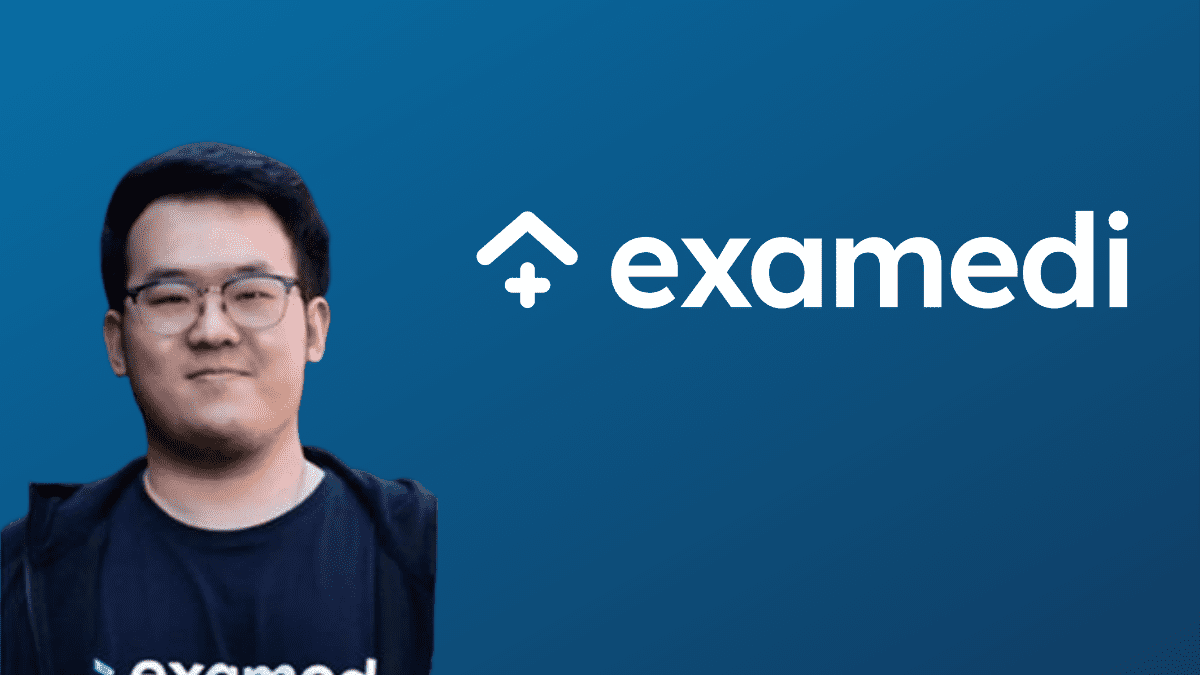
Thanks to the success of startups such as Nubank, Bitso, Rappi, and Cornershop, among others. Today, starting a technology company in Latin America is increasingly attractive, and more people want to do it. For example, today’s guest, Ian Lee, dared to start a company and founded Examedi, a platform that lets you order at-home medical tests from registered clinical laboratories, at 18.
But even though there are now more resources to support founders, the truth is that starting a company is still highly risky, especially for young people like Ian. Leaving a stable job, the fear of failing, or not feeling prepared are thoughts that hold us back from making the decision.
To date, Examedi operates in Santiago, Chile and Mexico City, and has raised more than USD $3 million from international venture capital funds such as 8VC, Quiet capital, and Goodwater Capital.
Ian told us how his interest in technology started as a teenager, how he weighed the risk of starting a company at such a young age, and how he has become a learning machine to face the challenges that come with inexperience. He also told us about the differences in his experience going through Platanus Ventures and Y Combinator, and how to get the most out of an accelerator program.
What You Can Learn Today
- Opportunities in the medical services industry
- Recommendations for starting a company young
- Differences and similarities between Platanus Ventures and Y Combinator
If you like the podcast, the easiest way to help us is by leaving a review with ⭐⭐⭐⭐⭐ on Apple Podcasts. It takes less than 1 minute and helps us convince the hardest guests to land, such as David Vélez, CEO and founder of Nubank, whom we would love to interview.
Youtube Timestamps*
Examedi and the Healthcare Industry
- [1:33] - How did Ian get into the world of startups?
- Experience at Arriendo Asegurado (now Houm)
- The move from Houm to Examedi
- [2:18] - What is Examedi?
- The Uber of medical services
- Greater efficiency in logistics processes through technology
- No founder is a doctor, but they do have logistics experience
- 7 months of operation
- 1 patient served every 5 minutes
- 1 more nurse every day
- [3:52] - Competitive landscape and what makes Examedi disruptive in this market
- Super apps that are entering the medical world
- The Examedi experience as a differentiator
- Every nurse trained by Examedi
- Average reviews of 9.7/10
- A model more common in Europe, the U.S., and Brazil
- Focus on the last mile without owning a laboratory
- [5:55] - How does Ian think about unit economics?
- A commission of 47-55% on the sale
- Unit economics that are currently very strong and make it possible to scale without burning cash
- Flexibility and the impact of volume on commissions in the healthcare sector
- [6:47] - Super app vision and the logic behind a marketplace model versus offering products directly
- Initially, only medical tests
- Identifying more user needs
- Post-test diagnosis pilot
- Offering more medical services to the same user
- History inside Examedi
- Vision for 5 years out: selling medications and having a staff of doctors at Examedi
Starting Examedi So Young
- [10:28] - How did his interest in technology start, to the point of joining Houm and being offered the CTO role?
- The cofounders met through video games
- Coding from ages 12-14, after school until dawn
- Freelance and personal projects
- Joining Arriendo Asegurado
- Experience and lessons at Houm
- The decision to leave Houm and found Examedi
- [13:47] - What motivated Ian to make that decision? And how does he recommend other college-age young people think about the risk of starting a company?
- Staying at Houm or in college as the riskier option
- The decision to leave college
- How easy the decision to start a company was
- The possibility of going back to college later
- [15:53] - How did Ian handle the “loneliness” of deciding to start a company so young?
- Making decisions that differed from the norm since he was a child
- A plan to enter college and then leave
- A passion for reading (60 books in the last year)
- The biggest changes in the world: people who make different decisions
- “Nobody is doing it, I can do it, and I am going to do it”
- [18:10] - What difficulties has he faced as such a young founder and CEO, and how has he handled them?
- 20 people in the office and 37 nurses
- Lack of experience in corporate environments
- Reading about team management and how large companies did it
- A taste for uncomfortable and challenging environments
- Support network: cofounders and other founders
- A mindset that it is one more challenge, without putting too much pressure on himself
- [20:36] - How does he prepare for these challenges, and how does he rely on reading and his network to do it?
- The importance of relying on other people
- “Reading is the only way to gain experience from every part of the world while sitting in your room”
- A list of the books he will read during the year
- Many role models so he can anticipate the challenges
- Connecting challenges to concrete examples he has read about
- The ability to read and learn from other people
- [23:10] - What life experiences does he believe have been key in preparing him to start a company?
- His time at Houm
- Experience and lessons on how someone else starts a company
- Leading Def Hacks
- Losing the shyness of talking to people much older than him
- Getting involved early and quickly with a lot of people
- [25:52] - What key technical skills did he learn at Houm?
- Testing, iterating, and failing fast
- Going from having no website to having a lot of technology behind it
- The ability not to be afraid of trying things
- Doubling down on what works well
The Value of Accelerators
- [29:30] - Differences and similarities between Platanus Ventures and Y Combinator
- A lot of learning through experience
- The network as the key value of accelerators
- Different in size and personalization, but similar in structure
- A lot of time to work and check-ins with the accelerators
- Recommendation to go through Platanus first because of the closeness of the network
- [33:33] - Differences when it comes to the local network
- The network as a driver of the startup
- Depth of relationships with contacts through Platanus vs YC
- [35:20] - Does Ian believe that, because of his youth, he was able to get more out of the program than other founders?
- Pretending not to know
- Openness to learning from others
- The bias of more experienced founders
- [36:56] - Recommendations to other founders about joining an accelerator
- Being a technical founder or having a very technical team
- Progress at high speed inside the program
Tweet Round
- [38:51] -
- Recommended book: The Fountainhead, by Ayan Rand
- Changes in the Latin American startup ecosystem: losing the fear of things
- Founder to interview: Eduardo della Maggiora, of Betterfly
Episode Mentions
You can find Ian on LinkedIn
Recommended book: The Fountainhead, by Ayan Rand
Founder to interview: Eduardo della Maggiora, of Betterfly
Discover More from the Startupeable Podcast
Listen to every episode at startupeable.com/podcast.
Subscribe to the newsletter to hear when a new one comes out.
Follow Enzo Cavalie on X: @enzocavalie.