The audio and video are in Spanish. These notes are a translation.
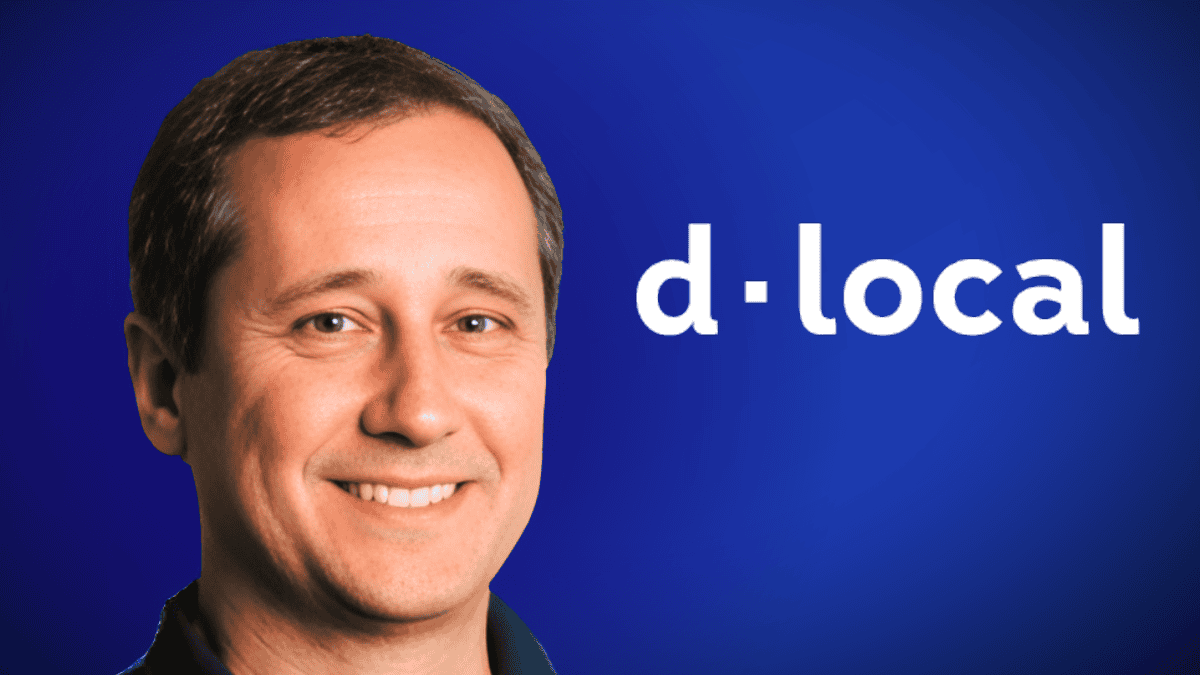
Today I spoke with Pedro Arnt, CEO of dLocal and ex-CFO of MercadoLibre. Before taking charge of finance, Pedro went through various areas such as operations, support, marketing, and technology. In 2024, he took on the CEO role at dLocal, a Uruguayan fintech that is publicly traded and generates more than $650M a year.
Youtube Timestamps*
[4:48] - Future of Fintech
- Could Pedro share his thesis on how, for 20 years, technology and product were differentiators in fintech, but now incumbents have managed to match those capabilities?
Pedro mentioned a new cycle in which the competitive advantages will be the more traditional ones, such as licenses or the brand.
- How true is this in Latin America, where, according to Pedro, as an emerging market there are still many inefficiencies to solve with technology?
[10:43] - How to Succeed as an Executive in Multiple Functions
Pedro has been successful in very diverse executive roles at Mercado Libre, moving through Marketing, Operations, Fraud, Finance, and Strategy, up to interim CTO.
- How does Pedro think about the advantages and disadvantages of being a specialist executive versus a generalist in his career?
- What allowed Pedro to be so successful in different functional areas?
Pedro achieved all of this as an operator at the highest level of the most important technology company in Latin America for more than 20 years.
- How does Pedro make such a big career decision? And what did he see in dLocal, in terms of opportunities and challenges, that drew him in?
[26:30]- How to Build Technology Organizations vs Traditional Ones
In a past interview, Pedro described how the organization of a successful technology company is very different from that of a traditional company.
- Could Pedro explain this idea and why they have to be fundamentally different organizations? It would be great if he can use examples from Mercado Libre or dLocal.
Pedro mentioned: “The problem with hiring people… is that those people hire other people.”
- What is Pedro’s hiring philosophy? What are some of the hiring mistakes he sees in companies that are already at the scaling stage?
- How does Pedro create processes that facilitate growth without affecting the company’s speed and innovation? When are there too many processes?
Pedro mentioned: “What worked 3-4 years ago no longer works. Nothing is stable. Technology is a constant reinvention.”
- Could Pedro tell us about his practice that, for any process that is more than 3-4 years old, he requires his team to redesign it without knowing whether it works or not? What is the logic, and how does he implement it?
- In Pedro’s experience, what are the risks of having such a rigid org chart in a company? And what should the role of the org chart be in a startup that is scaling?
- How should a startup’s culture keep adapting as it scales, and how does Pedro think about the balance between keeping the innovative startup spirit and the corporate structure needed to scale in an orderly way?
Pedro has led technology companies for more than 20 years and has taken a lot of inspiration from how sports teams are managed.
- What lessons has Pedro learned from how sports teams are managed that apply most to startups?
Episode Mentions
You can find Pedro on LinkedIn
Discover More from the Startupeable Podcast
Listen to every episode at startupeable.com/podcast.
Subscribe to the newsletter to hear when a new one comes out.
Follow Enzo Cavalie on X: @enzocavalie.