The audio and video are in Spanish. These notes are a translation.
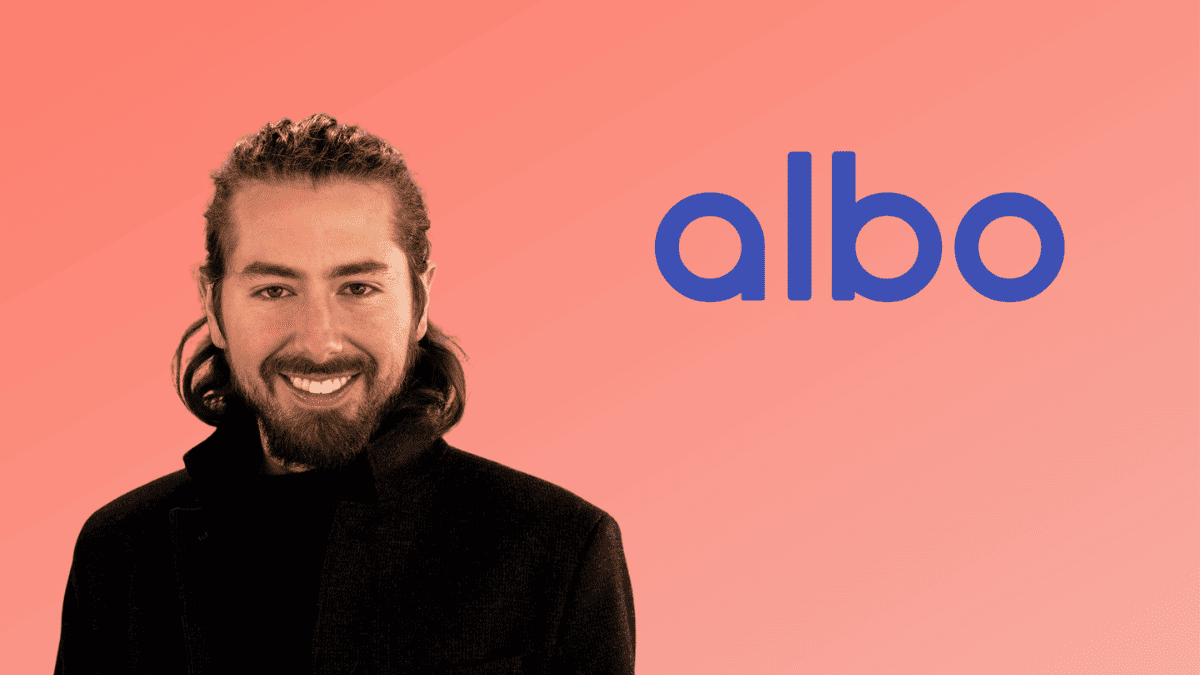
Today my guest is Ángel Sahagun, CEO and founder of Albo, the first Mexican neobank. Ángel founded Albo in 2016 at just 26, when there was no fintech regulation in Mexico and a lot of distrust of digital banking services.
To date, Albo has more than 2 million customers who transact several billion dollars a year and, to date, it has raised more than 100 million dollars from investment funds such as Valar Ventures, Omidyar Network, and Nazca Ventures.
Ángel talked to us about:
- The costs of raising too much capital and growing out of proportion
- The business and culture changes Albo has implemented to reach profitability
- His strategies for differentiating from the other digital banks, including the acquisition of the fintech DeltAI
So I hope you enjoy this very open conversation, where we talk about the high moments of building a company and the low ones too, with Ángel Sahagun of Albo.
Youtube Timestamps*
[03:02] - How to Create a Neobank
- How did Ángel get into the world of startups?
In 2016, Albo was the first digital bank in Mexico. Because of that, they had to face additional challenges, such as regulation and raising capital in a sector nobody believed in, but where there was no competition either.
- To what extent did Albo have the “first mover advantage”? What would Ángel say were the advantages and disadvantages Albo faced by arriving first in a market that is highly competitive today?
- What was the hardest part of that path? What is it that newer players are lucky not to experience today?
- How did Ángel process the “nos” in order to keep moving forward?
- What is the most effective way to transmit the founder’s conviction to the team?
Nubank, Stori, and several of the big neobanks started with an app and a credit card.
Albo started with a debit card.
- Why? Is it cheaper to launch? Or how do they think at Albo about the advantages and disadvantages of starting with debit vs credit?
- What factors define whether the user has enough trust to deposit their paycheck?
One of Albo’s best features was that it was “cash friendly,” unlike other competitors. In a way, this goes against the business because it makes it easier for users to leave.
- What was the logic of that decision? And how did it affect the business?
- In his experience, what is the solution to cash in Mexico?
In a context with well-funded competitors:
- How does Ángel think about the two or three product dimensions that have the greatest impact on differentiating Albo and on the success of the business?
Ángel mentioned that they raised a lot of capital and grew the company too much.
- How much of that does he consider his responsibility, versus what the investor market was asking of him?
[29:23] - Profitability
Over the last 18 months, they have grown their revenue 3 times and considerably reduced their costs, and Ángel has said publicly that the goal of the latest round is profitability.
- What were the most significant changes in Albo’s Unit Economics in recent months, and what were the most effective initiatives?
Ángel mentioned that Albo currently runs on its own core banking system
- What was the context behind the decision to make such a long-term bet?
Back to Unit Economics:
- What were the most significant Lifetime Value initiatives? Where have they found the greatest impact in increasing revenue per user (ARPU)?
Today Albo has multiple products: debit, loans, business accounts, among others.
- What was the thinking and the strategy around how to go from one product to another? How did they prioritize in order to decide which product to launch based on user tickets?
Customer acquisition cost is one of the levers of a company’s profitability.
Especially in fintech, where there has been a war for user acquisition between cashbacks and benefits.
- What were the most important changes they made in the way they acquired users at Albo?
In 2021 and 22, many fintechs invested millions in digital advertising, on the street, and in benefits. In a context of interest rates at 0, the marketing bar was low.
- How has the bar for what Ángel expects from the marketing team changed today versus 2021 and 22?
- What does acquiring higher-quality customers mean for Albo?
Venture capital investors tend to say that a company’s CAC is only going to go up. Rarely does the CAC of a company at scale actually go down, because, in addition, the effects of branding initiatives usually take a considerable amount of time.
- How true is this in Ángel’s experience?
Unlike other digital banks, Albo struggled quite a bit to raise its first investment rounds. Therefore, they had to be very creative in customer acquisition.
In addition, there was a lot of resistance to digital services when it came to acquiring customers.
- Looking back at the beginning of Albo, is there any acquisition strategy or channel that stands out for its effectiveness?
- What were the biggest lessons from acquiring customers with a small budget?
[51:13] - User and Business Growth
According to Linkedin, they reduced their headcount by 30-40%. That is, they are doing more with less.
- In that time, what have been the biggest lessons Ángel has had on how to create a fast and efficient organization?
- How did sales change after that reduction?
- What changes in the way the company operates happened as a result of this?
- What is something Ángel does differently today as CEO?
After having gone through two layoffs:
- What advice does he give other founders going through the same situation of having to let talent go at their company?
- Does he have any practical recommendation on how to carry those recommendations out with the people who are leaving and with the team that stays?
Ángel has said that he likes to question things and that he is very critical of the knowledge he reads and hears.
The world of startups and venture capital changed 180 degrees in the last 2 years. The advice that used to be given is very different from the advice given today.
- What are some of the ideas or pieces of advice about how to build a business that he has questioned the most in the last 2 years?
[01:07:40] - Quick Questions
- 10 years in the future, what is the most extraordinary vision for Albo?
Episode Mentions
You can find Ángel on LinkedIn
Discover More from the Startupeable Podcast
Listen to every episode at startupeable.com/podcast.
Subscribe to the newsletter to hear when a new one comes out.
Follow Enzo Cavalie on X: @enzocavalie.