The audio and video are in Spanish. These notes are a translation.
In this context, many established startups face a VERY complicated investment market and the possibility of having to raise a bridge round, a “down round”, or a structured round, especially if they have little money left in the bank and they raised past rounds at valuations that are high relative to the current market.
Over the last year and a half, there has been a steep drop in investment in startups in Latin America. Many international investors have paused, and local ones have become more cautious.
These rounds involve very difficult legal negotiations with your investors and partners.
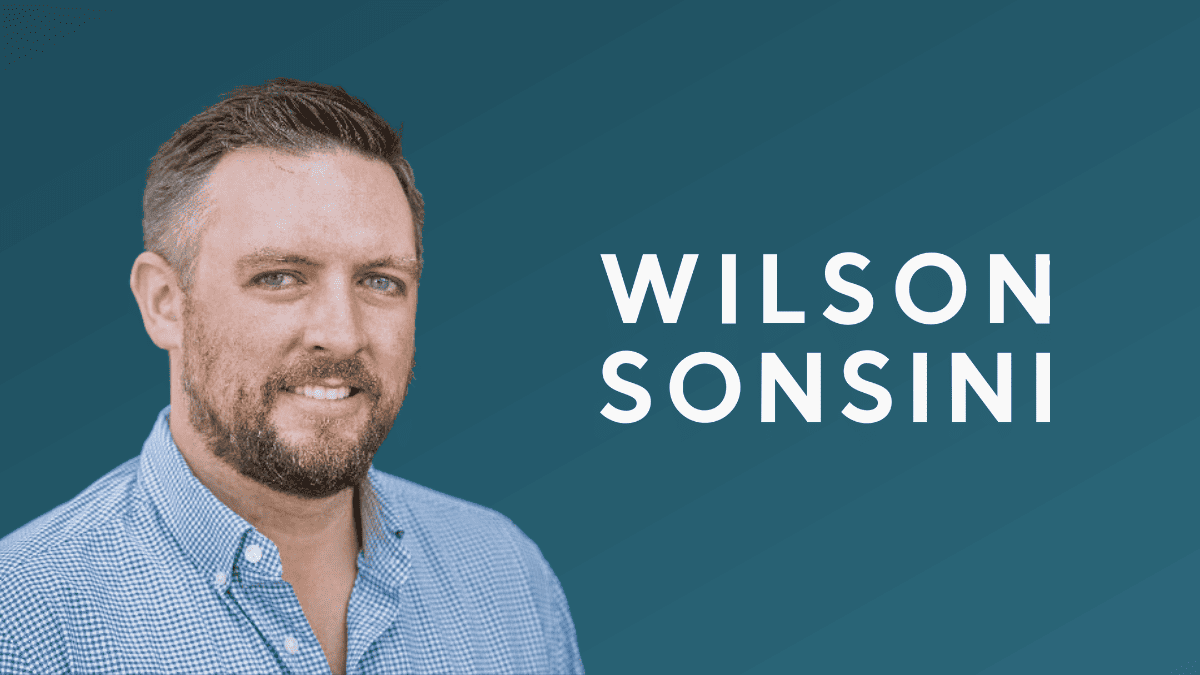
To talk about this, I invited Robert Terenzi of Wilson Sonsini, one of the best-known law firms in Silicon Valley, which has represented companies such as Apple and Google, and which has more than 170 clients in Latin America, including startups such as Rappi, Cabify, and Habi.
Today we talk about what financing alternatives a startup has when it fails to raise capital, and when a down round, despite its consequences, can be the best alternative. Finally, we talk about how to prepare a down round, how to negotiate it with your investors, and how to mitigate the consequences for the members of your team.
This interview is for both founders and professionals whose companies may be going through difficult times, and I hope it can help you make the best decision possible.
Youtube Timestamps*
[2:06] - Introduction to Down Rounds
-
Robert is a lawyer, but he did not share how he got into the fascinating world of startups.
-
Robert and his team have a very comprehensive database on the terms of private transactions, and more than 170 startups in Latin America as clients. What is happening on the financing front? Why are investments not closing? Is it only because of a lack of investor appetite, or do they fail to reach agreement on terms?
-
Robert explained in a simple way what a “down round” is and what other financing alternatives exist for a startup before considering a down round.
-
Does Robert see the M&A market (partial sales, mergers, or acquihires) as a viable alternative for these Latin American companies that are running out of cash and cannot find investment?
-
Many companies at pre-seed or seed stage raised rounds with SAFEs or convertible notes at very high valuations, with very few sales, or businesses with low margins and little scalability. Are the companies that used SAFEs in the same situation as the companies that raised with equity rounds, that is, where the shares were actually valued at that high price?
[19:24] - How to Prepare a Down Round
-
What are the most common clauses or contractual terms in these rounds? And according to his data, what do these terms usually look like? I imagine that in recent years they have become tougher for companies.
-
Robert explained clauses such as liquidation preference or anti-dilution. Are these clauses introduced by new investors, or are they pushed by existing investors?
-
What would he recommend a founder aim for or secure in the negotiations so that it does not hurt them in the future, and how should they handle it with their existing investors?
-
What mechanisms can be put in place to keep founders motivated when they end up working only for the investors?
-
What strategies does he see that work to avoid the risk that employees lose motivation?
[32:26] - Execution
-
What would he recommend to founders who are raising seed rounds or Series A today and who can raise local capital, given that an uncertain market is coming?
-
From the legal side, Robert gave us recommendations on what to do if you raise capital from one round and then cannot raise more capital.
Episode Mentions
You can find Robert on LinkedIn
Discover More from the Startupeable Podcast
Listen to every episode at startupeable.com/podcast.
Subscribe to the newsletter to hear when a new one comes out.
Follow Enzo Cavalie on X: @enzocavalie.