The audio and video are in Spanish. These notes are a translation.
When a startup receives capital from a venture capital firm, most of that money does not come from the firm’s partners, but from the so-called Limited Partners.
Today we spoke with one of them to understand how the other side of the venture capital industry works.
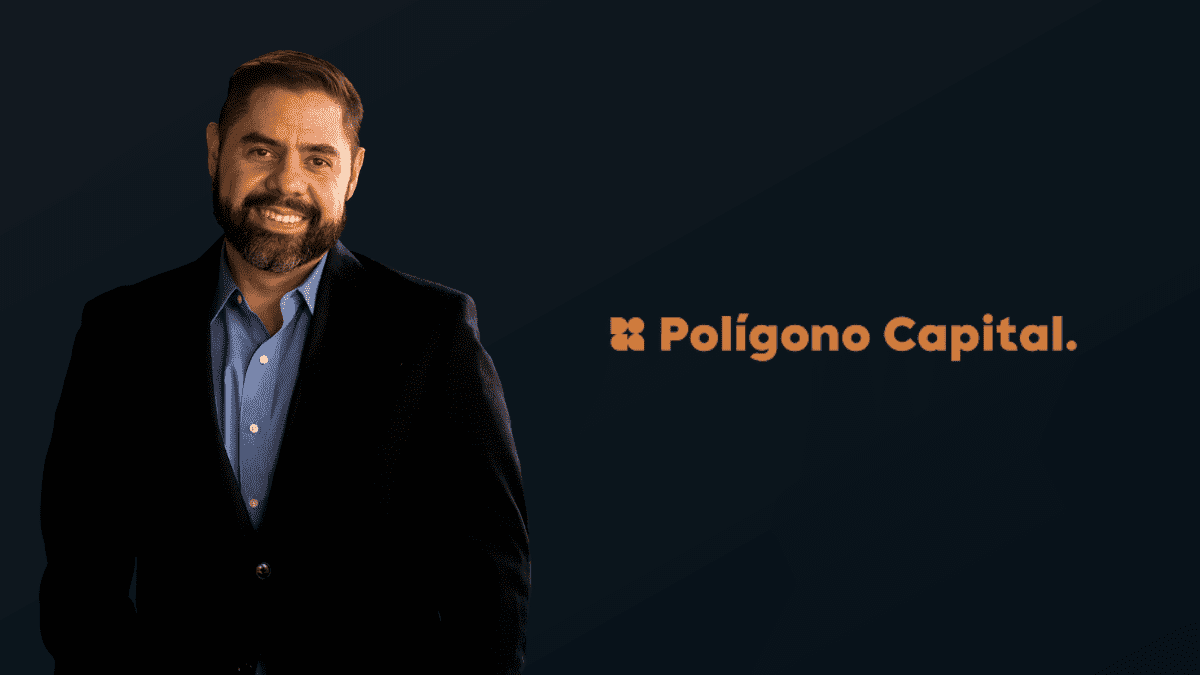
Eduardo Medina is Director of the Venture Capital division at Polígono Capital. Polígono is a financial institution with several investment areas, such as the stock market, real estate, private debt, and, of course, venture capital.
To date, Polígono has invested in several venture capital funds in Latin America, including Magma Partners, 500 Startups, Cometa, and Redwood Ventures.
Eduardo gave us a look inside the venture capital business: how limited partners work, what they look for in order to invest in a fund in terms of the team and the returns, and what founders understand least about venture capital.
Youtube Timestamps*
[1:50] - Introduction to Limited Partners
- How did Eduardo get into the fascinating world of startups?
- What is a Limited Partner, LP for short, in the context of venture capital, and what types of LPs exist?
- What does it mean to be a “Limited” partner? And how does the operation of investing in a fund work?
- How much do they pay a venture capital fund, and why do they decide to invest in them, which in practice are an intermediary between the limited partners and the startups?
- What venture capital dynamics would Eduardo say he sees as an LP that are less understood by founders?
[18:08] - The Venture Capital Business Model
- Venture capital investors go through a fundraising process similar to that of startups. What qualities does Eduardo look for in the General Partners, or partners, of a venture capital fund?
- What are the red flags, according to Eduardo, in a venture capital partner that a Limited Partner should watch for?
- A % of venture capital funds’ compensation comes from the famous “carried interest,” which is calculated based on the fund’s returns. What is an attractive return for a venture capital fund? And how does it compare with the other assets a Limited Partner invests in?
[26:28] - Raising Capital in 2023
- How does Eduardo think what venture capital funds look for in an early-stage startup has changed in this new market?
- If you already have a startup and plan to raise capital, what would Eduardo recommend: Prioritize growth? Profitability? Capital efficiency?
- What is Eduardo’s view on the risk of a recession in Mexico and Latin America? By the end of this year, will we be better or worse off?
- In the current context, what recommendations does Eduardo give the companies in his portfolio about an investment round? What is a good runway they should aim for?
[42:30] - Rapid-Fire Questions
- If he had to invest in startups from scratch, what is the main piece of advice Eduardo would give himself?
- What has been the most influential book on Eduardo’s path through the world of startups?
- Changes Eduardo would like to see in Latin America’s startup ecosystem
Episode Mentions
You can find Eduardo on LinkedIn
Recommended book: The Business of Venture Capital by Mahendra Ramsinghani
Discover More from the Startupeable Podcast
Listen to every episode at startupeable.com/podcast.
Subscribe to the newsletter to hear when a new one comes out.
Follow Enzo Cavalie on X: @enzocavalie.