The audio and video are in Spanish. These notes are a translation.
0:00 - Introduction and Context
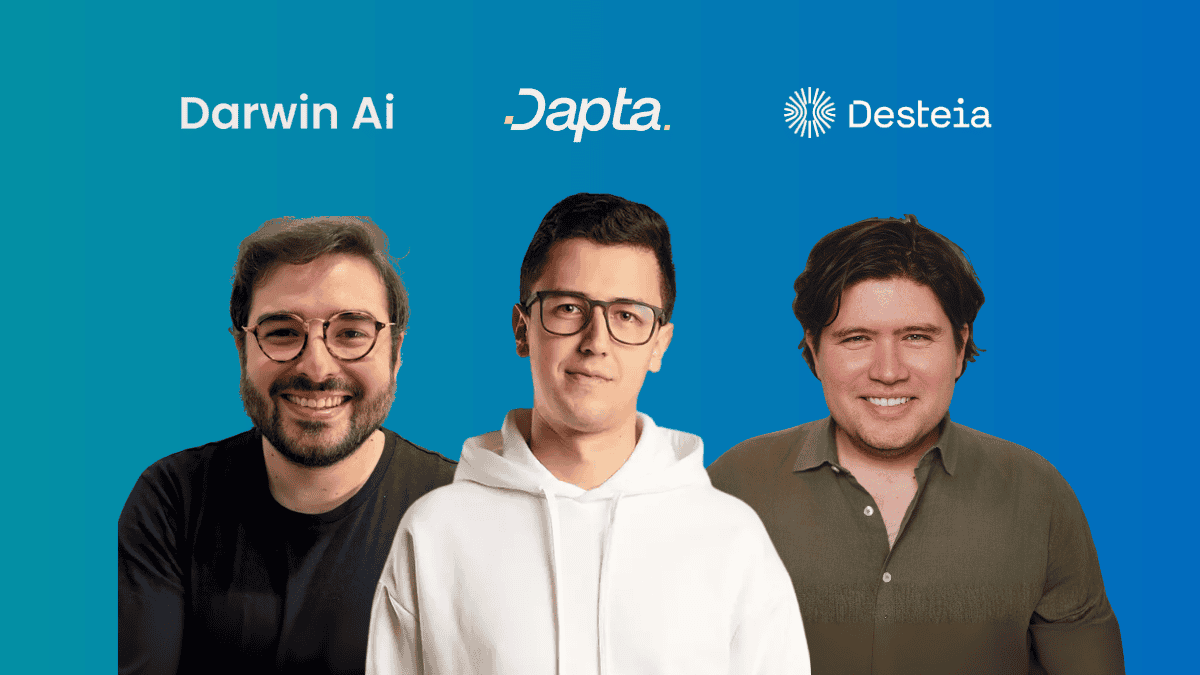
Why a roundtable with three founders building artificial intelligence from different angles: marketing for SMEs, sales and support agents, and supply chain.
- The goal of the episode and how the three approaches connect.
- What we will cover: product, GTM, fundraising, data, team.
3:00 - Do You Need to Be Technical to Start a Company in Artificial Intelligence?
Investor biases, the value of being technical, and the role of no/low-code tools in the speed of iteration.
- Is there a real bias among VCs in favor of technical founders, and how does it affect fundraising?
- When can being “too technical” work against execution and product focus?
- How far do low/no-code tools and copilots level the field for non-technical profiles?
12:10 - Business Ideas and Willingness to Pay in LatAm
Software adoption in the region, “door to door” distribution, and how artificial intelligence can skip technology stages.
- Do companies in LatAm actually pay for technology? In which segments, and with what expectations?
- Why can lower prior adoption be an advantage for introducing artificial intelligence “agents/employees”?
- How do you compare ROI: the cost of software vs. productivity and labor costs?
19:00 - From the Software Budget to the “AI Employees” Budget
Changes in buying models, pricing, and margins when artificial intelligence performs measurable operational work.
- Does comparing against FDEs help you sell… or does it distract from new insights and capabilities?
- Pricing models (per use, per result, variable) in order to better capture the value created.
- The elephant in the room: how do you protect and improve gross margin when artificial intelligence consumption scales?
31:00 - Do You Have to Be in Silicon Valley?
Advantages of the concentration of talent and ideas in SF, and hacks for capturing that energy without losing the local focus.
- Relocate vs. travel for periods of time and keep the team in the region.
- How investors perceive remote teams vs. in-person teams today.
- Calendar, events, and networking: practical tactics for “being” in SF without living there.
39:10 - Differentiation and “Moats” in Artificial Intelligence Today
Distribution, speed of learning, and proprietary data as engines of competitive advantage.
- Is it useful to obsess over the “moat” at the beginning, or is it better to optimize for feedback and distribution?
- Virtuous cycles (data → better models → more customers → more data) and how to start them.
- How the sources of differentiation evolve as the tools become commoditized.
46:30 - Product: From MVP to Agents in Production
Lessons from building artificial intelligence products that go from demos to generating daily operational value.
- Define “narrow” use cases with enough data and clear metrics of success.
- Quality gates: when to scale an agent to more accounts or more channels.
- Common mistakes: over-promising, underestimating exception handling, and latency.
53:15 - Go-to-Market and Enterprise Sales
How to sell artificial intelligence to medium-sized and large companies when the buyer is learning at the same time.
- GTM sequence: paid pilots, land & expand, and internal champions.
- Contracts: security addenda, SLAs, DPAs, and success criteria.
- Marketing: educational content, use cases, and demonstrations with real data.
58:40 - Data, Privacy, and Compliance
The unglamorous layer that supports any artificial intelligence solution in production environments.
- Data sources, cleaning, and drift monitoring.
- Privacy, retention, and secure routing of prompts and contexts.
- Traceability: logs, human evaluation, and internal audits.
1:04:20 - Fundraising: Stages, Narrative, and Metrics
How to build a credible story in a market that changes every quarter.
- From problem → use case → “job to be done” → evidence of value.
- Metrics that carry weight: gross margin adjusted for artificial intelligence consumption, payback, and net expansion.
- Relationship with investors: cadence of updates, asking for specific help, and customer references.
1:10:05 - Team and Remote Culture
Hiring for small teams of high impact, and distributed collaboration.
- “T-shaped” profiles and extreme ownership in the early stages.
- Product rituals: requirements and speed.
- Culture of experimentation
Episode Mentions
You can find Nicolás Rojas (Dapta) on LinkedIn Discover More of the Startupeable Podcast
Listen to every episode at startupeable.com/podcast.
Subscribe to the newsletter to find out when a new one comes out.
Follow Enzo Cavalie on X: @enzocavalie.