The audio and video are in Spanish. These notes are a translation.
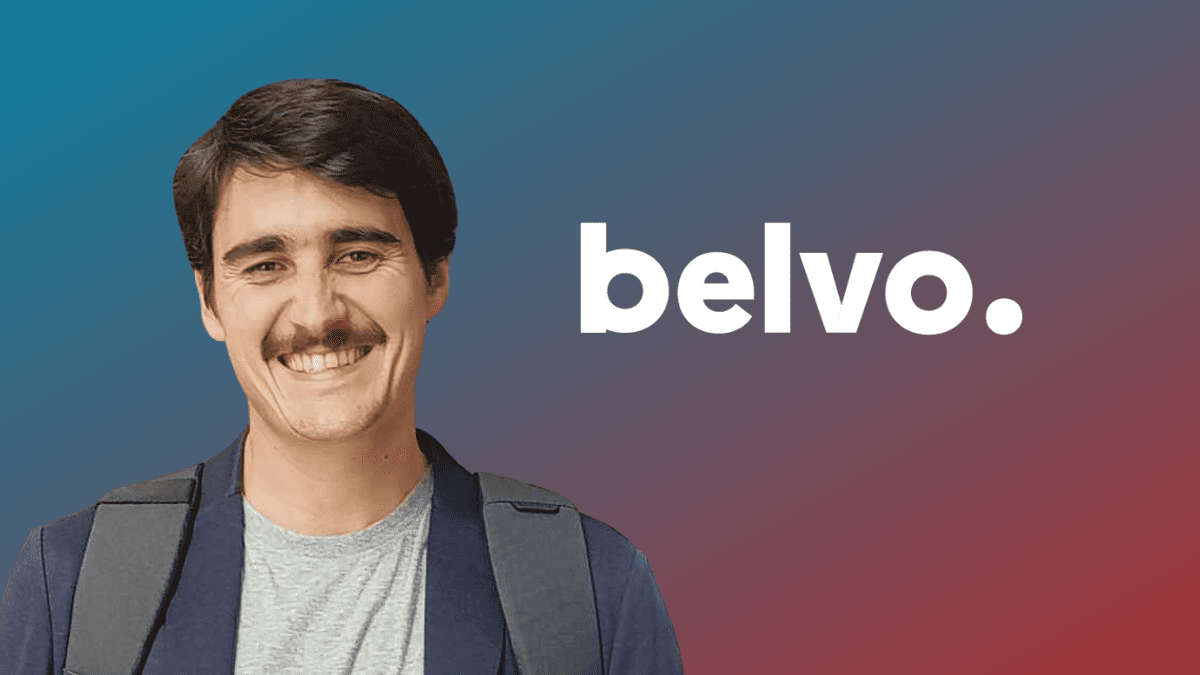
Fintech is the largest startup sector in Latin America. Recently, a technology trend emerged that could accelerate fintech growth even further: Open Banking. Discover what it is and how it could positively impact the quality of and access to financial services in this interview with Pablo Viguera, cofounder and co-CEO of Belvo, the leading Open Banking platform in the region.
Belvo has created an API that is the easiest way for users to connect their bank accounts to other fintech applications. This startup went through the Y Combinator accelerator and raised a Series A of 10 million dollars led by Kaszek Ventures and Founders Fund, the venture capital fund of Peter Thiel, founder of PayPal.
What You Can Learn Today
- Framework for entering Latin America
- Open Banking
- Trends in the Fintech sector
If you like the podcast, the easiest way to help us is by leaving a review with ⭐⭐⭐⭐⭐ on Apple Podcasts. It takes less than 1 minute and helps us convince the hardest guests to land, such as David Vélez, CEO and founder of Nubank, whom we would love to interview.
Pablo’s Start as an Entrepreneur
- [1:42] - How did Pablo arrive at the world of startups?
- His past in investment banking and an MBA
- [3:26] - What was the leap into the startup ecosystem in Latin America like?
- Experience in the US and at previous startups (Rocket Internet, Revolut, Verse)
- Expansion into Latin America, competition, and the context of fintech infrastructure
The Startup Ecosystem in Spain
- [8:30] - Spain’s startup ecosystem
- Wave of successful startups and their successors
- Venture capital funds with greater investment capacity
- [11:30] - Perspective on Latin America as a foreign entrepreneur
- Enormous opportunity and factors to consider before expanding or moving to Latin America
- [14:08] - What framework does he recommend to Spanish startups for deciding whether to enter Latin America?
- Match between the business model and the market, and the competitive landscape
- Stage of the infrastructure needed for your business
Open Banking
- [17:13] - Origin of Belvo
- What does Belvo’s solution do?
- Open Banking as a movement and its benefits for end users
- How Open Banking works and its impact on financial inclusion
- [28:10] - Similarities in Open Banking infrastructure between Mexico, Colombia, and Brazil
- The power of the banks and low banking penetration
- The development of the fintech sector
- Differences in Open Banking regulation between the countries
- [32:48] - Why was Mexico the first market?
- Belvo as a marketplace
Fundraising
- [35:49] - How did they convince David Vélez, CEO of Nubank, to invest in Belvo?
- The value of an operator angel investor
- [38:39] - What was the process like to receive investment from Peter Thiel’s Founders Fund?
- [41:18] - How much did it help them, or not, to be the “Plaid of Latin America” in their fundraising process with US funds?
Future of Belvo
- [44:52] - Belvo’s product roadmap
- Pan-LatAm vision
- Access to data, interpretation, and decision-making
- [50:20] - Key fintech verticals and trends according to Pablo
Tweet Round
- [52:30] -
- Recommended books: The Shadow of the Wind, by Carlos Ruiz Safón
- The investor who has helped the most to build Belvo: David de Picciotto
- A change in the world of startups: Latin America integrated as a region in terms of regulations
- An entrepreneur in LatAm to interview: Victor Noguera (Flat)
Episode Mentions
You can find Pablo on Twitter
Recommended books by the guest: The Shadow of the Wind, by Carlos Ruiz Zafón
Venture capital funds: Founders Fund
Investors: David Vélez, David de Picciotto
Entrepreneurs: Victor Noguera of Flat
Discover More from the Startupeable Podcast
Listen to every episode at startupeable.com/podcast.
Subscribe to the newsletter to hear when a new one comes out.
Follow Enzo Cavalie on X: @enzocavalie.