The audio and video are in Spanish. These notes are a translation.
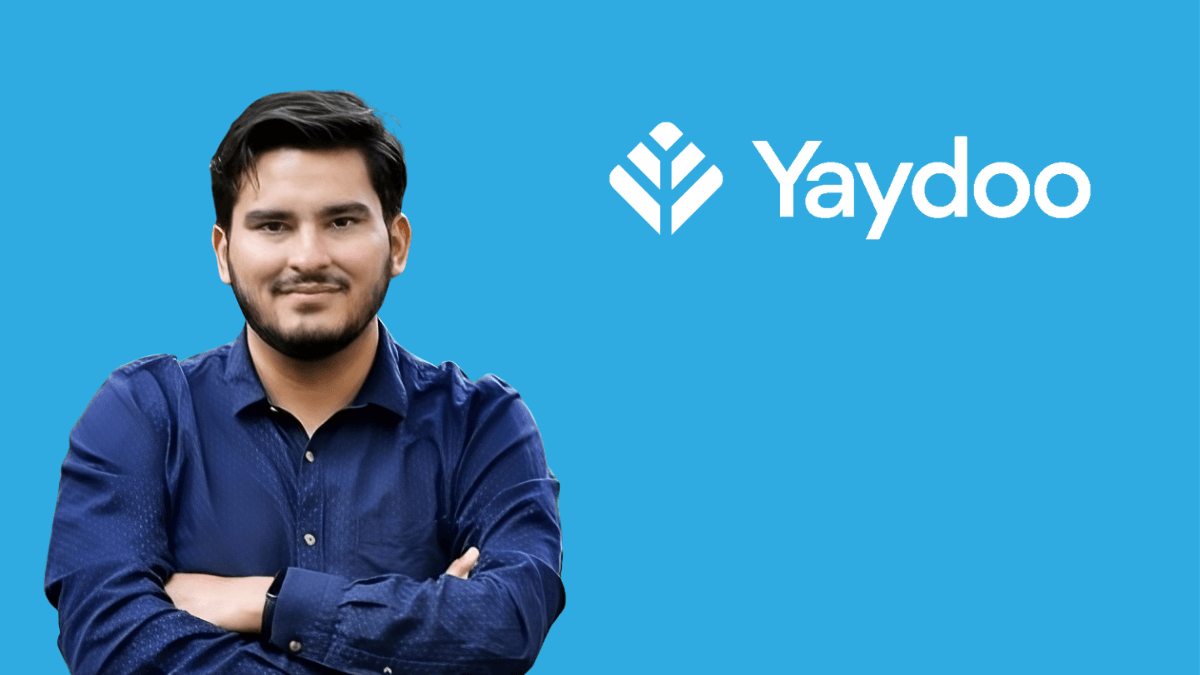
Today I have as a guest Sergio Almaguer, CEO and cofounder of Yaydoo, a platform that automates the processes of purchasing, collections, and payments between companies with the goal of improving their cash flow. By 2021, Yaydoo was serving more than 800 customers and processing transactions from more than 70,000 companies per year.
In 2021, Yaydoo raised a Series A of more than $20 million dollars from funds like Base10 Partners, Monashees, and Softbank; and, in 2022, it merged with Paystand, a B2B payments company from the United States. The company resulting from the merger reached unicorn status.
Today, Sergio and I talk:
- About how to reach Product Market Fit in B2B services
- About the right moment to launch a second product
- About whether Software as a Service is a scalable business model in Latin America
- And about when the right moment is to sell or merge your company
With nothing more to add, I leave you with this great conversation with Sergio Almaguer of Yaydoo.
Youtube Timestamps*
[00:00] - Product Market Fit
- How did Sergio arrive at the fascinating world of startups?
Yaydoo’s first B2B service was a concierge for corporate purchasing and, through it, they realize that companies wanted a centralized place to manage their suppliers. That is why they evolve toward a corporate purchasing platform.
But the customer is rarely going to tell you the solution. In this case, I want a procurement platform.
- What was their discovery process like? What kind of questions did they ask their customers? How do they distinguish their biggest pains, the “must have” ones, from the ones that are “nice to have”?
Then they launch a second product: porcobrar.com, which was a solution for suppliers.
Reading Yaydoo’s story, it seems it was early in the traction of the first product.
- How do they decide that it was the right moment to launch a second product?
Before Yaydoo, these corporate payment processes happened manually using tools like email, WhatsApp, and the phone. These processes are multiple: invoicing, payments, reminders, reconciliation, etc.
- When starting to automate, how do they map the problem and how do they decide where to start?
In B2B software, investors tend to measure the % of penetration or adoption of the solution among customers.
- What evolution of adoption did they see at Yaydoo? And what were the biggest adoption barriers they faced?
Sergio has said that the suppliers product started to grow faster.
- What were the most impactful initiatives for generating greater adoption?
[36:02] - The 4 Fits Model
Sergio is a student of the 4 fits model of Brian Balfour of Reforge: product, market, channels, and business model, so it would be good to analyze the Yaydoo business through that model. First:
- At what moment was Yaydoo when Sergio arrives at the 4 Fits model? And when he understands it, what realizations did he have?
Let’s talk about business model fit. Startups have been seen trying by force to push a subscription model because that is what investors value.
- Why was a SaaS the best way to monetize? And what lessons has Sergio learned from SaaS as a business model?
Building a SaaS at Venture Capital scale is hard in Latin America, because companies do not have as much ability to pay. It is rare to see startups with annual contracts of more than 100 thousand dollars.
That is why several startups use SaaS as the entry point, but the business in truth is to monetize payments and financing.
- What does Sergio think about that? In the case of Yaydoo, if the SaaS opportunity is of size X, what size is the Fintech opportunity? What role does the Fintech side play in Yaydoo’s potential to capture value?
[49:32] - Merger
They had raised a significant Series A and were in the process of raising a Series B, but instead they end up merging with the American company Paystand.
-
How does the conversation about a possible merger come up, and how does this connect with Sergio’s expectations about the future of Yaydoo?
-
What are the 2 or 3 main areas of synergies that convince him that the sum of the parts was worth more than continuing to build Yaydoo independently?
-
In what cases would Sergio say it is not worth merging? How would he recommend another entrepreneur think about it?
[01:02:00] - Rapid-Fire Questions
- What is the hardest lesson he has had to learn on the path of Yaydoo?
- If Sergio looks 10 years into the future and puts on the dreamer’s hat, what is the most extraordinary vision for Yaydoo?
Episode Mentions
You can find Sergio on LinkedIn
Discover More from the Startupeable Podcast
Listen to every episode at startupeable.com/podcast.
Subscribe to the newsletter to hear when a new one comes out.
Follow Enzo Cavalie on X: @enzocavalie.