The audio and video are in Spanish. These notes are a translation.
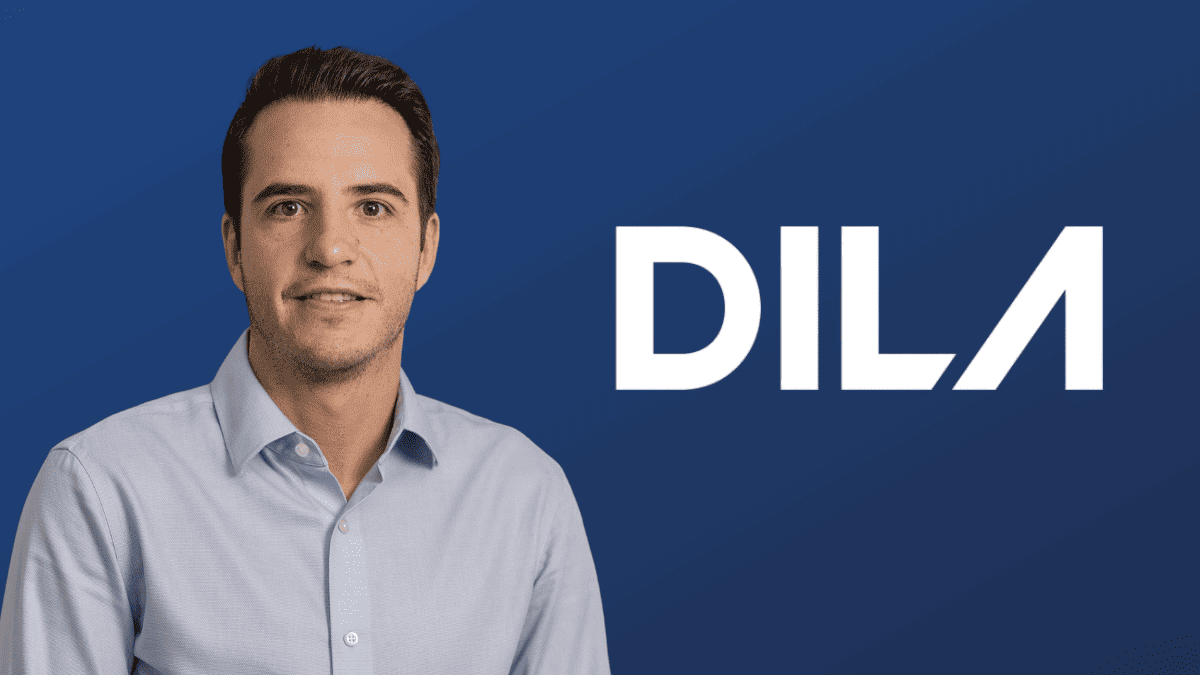
Alejandro Diez Barroso is cofounder and partner of DILA Capital.
DILA was the lead investor in the first rounds of unicorns such as Incode and Kushki, as well as other companies such as Crehana, Ben & Frank, and Fairplay.
In this episode, we talk about what the “Power Law” is and how Alejandro evaluates the scalability of a business model.
The Venture Capital industry is a black box, and in this interview we made a great effort to go deeper into how an investor makes decisions. I hope you enjoy this conversation with Alejandro from Dila Capital.
Youtube Timestamps*
[1:06] - Intro to Venture Capital, Empathy, and Power Law
Alejandro was an intern at Dalus, or as the fund was called at the time, Alta Ventures.
- What lessons did he take from that first experience as an intern at a venture capital fund?
In DILA’s 360 reviews, he always comes out as the best ranked on the list.
- What is his secret?
Alejandro is an empathetic person.
-
Did he always have empathy, or how did he develop it?
-
How does he evaluate empathy in his founders?
Alejandro mentions the “Power Law” concept many times in his interviews and on his blog, and it applies to Venture Capital.
Perhaps the most important concept in venture capital theory, but in practice it is very hard to understand for someone who is not an investor.
- What is the Power Law, and at what point did he realize it is an important concept for Venture Capital?
His partner Eduardo said that when they started, they invested in models with a lower need for capital, but with limited scale and therefore lower returns.
-
Alejandro explained to us what the investment thesis was like when DILA started
-
Which companies should one invest in as a VC?
[28:41] - Market Versus Team
“Scalability” is one of the startup cliches, and in the last 2 years there were companies such as WeWork and Jokr that scaled thanks to the injection of hundreds of millions of dollars, but that in the end were not really scalable.
-
What is scalability for Alejandro? And how does he evaluate it in a business?
-
What market size is Alejandro looking for so that these scalable companies can take advantage of that potential and translate it into sales?
In the US, there are many stories of startups that expanded their market successfully. They start in a strategically chosen market niche and little by little penetrate adjacent markets.
-
Has he seen this happen in Latin America? And how does he incorporate it into his analysis if it is a small initial market?
-
Between team and market. What weight does he assign to each one when investing in a company?
[42:01] - The Current State of the VC Market
In 2021, Alejandro published an article about how much capital one should raise.
During 2021 and 2022, it became popular to raise rounds of millions of dollars with a Power Point. Pushed by Y Combinator and several US funds that arrived in the region and that have since left.
- How does he think about the right size of a seed round?
Given the financing context, especially at the growth stage.
-
Is it a good time to raise capital? What is he advising his companies regarding their growth and profitability goals?
-
What does he recommend a founder who is about to raise capital think about before doing it?
[51:40] - Rapid-Fire Questions
- What would he have liked to know when he started as a venture capital investor?
- What has been the most influential book on his path through the world of startups?
- What would he like to change about the world of startups in Latin America?
Episode Mentions
You can find Alejandro on LinkedIn
Recommended book: The Hard Thing About Hard Things by Ben Horowitz:
Discover More from the Startupeable Podcast
Listen to every episode at startupeable.com/podcast.
Subscribe to the newsletter to hear when a new one comes out.
Follow Enzo Cavalie on X: @enzocavalie.